Where Is Gorjestan: Uncovering the Location and Identity of This Mysterious Place
Introduction
If you’ve been searching for information about “where is Gorjestan,” you’re not alone. This question puzzles many people, and the answer is more interesting than you might expect. In this comprehensive guide, we’ll explore the geographical, historical, and cultural aspects of Gorjestan, clearing up confusion and providing you with a complete understanding of this fascinating region.
Understanding the Question: Where Is Gorjestan?
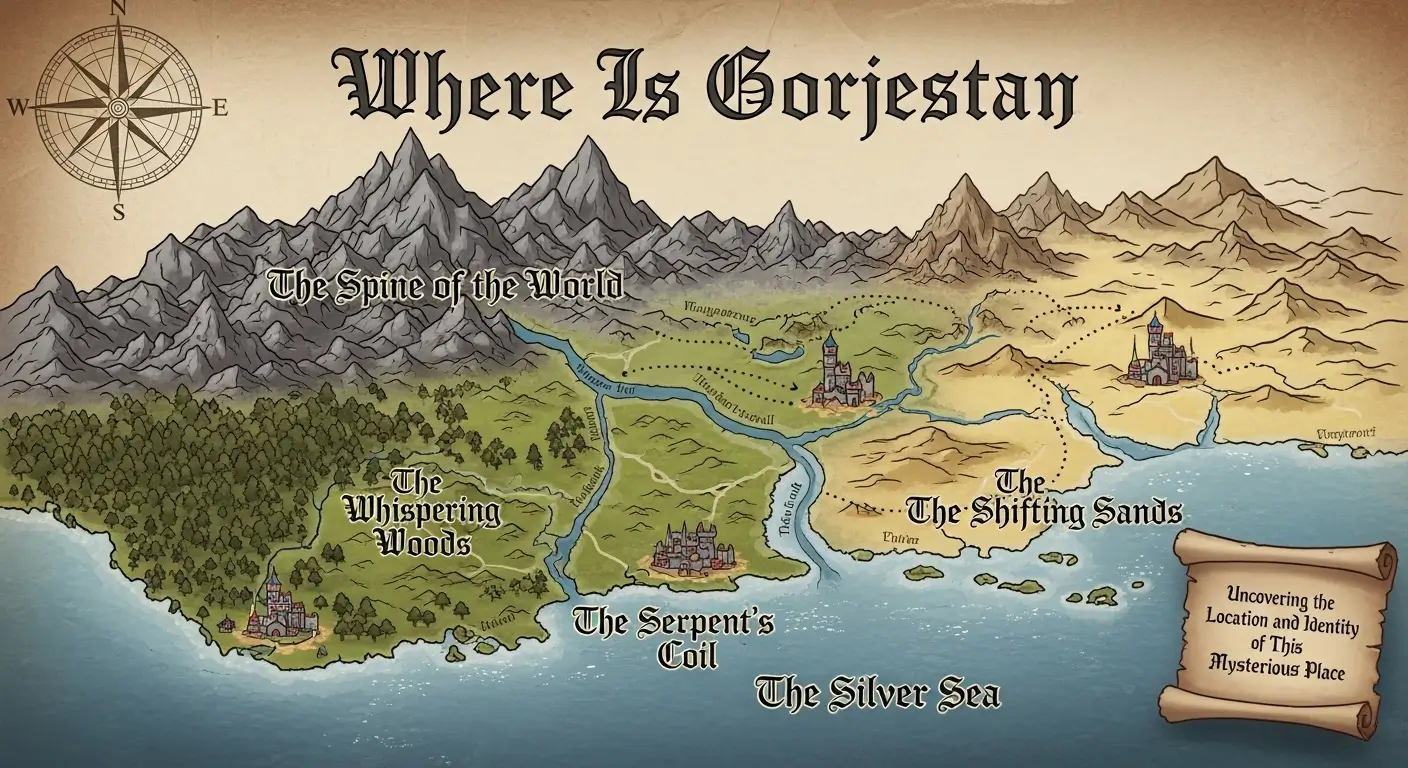
When people ask “where is Gorjestan,” they’re usually referring to the country located at the intersection of Eastern Europe and Western Asia. The term “Gorjestan” is actually the Persian and Arabic name for Georgia.
Understanding where Gorjestan is requires us to look at how different cultures and languages refer to this beautiful nation.
The confusion about where Gorjestan is often stems from the fact that many Middle Eastern countries, particularly Iran, Afghanistan, and other Persian-speaking nations, use this name when referring to Georgia.
If you’ve encountered this term in Persian texts, maps, or conversations, you were reading about the country known in English as Georgia.
The Geographic Answer: Where Is Gorjestan Located?
Precise Location
To definitively answer where is Gorjestan, let’s look at the specific geographic coordinates and boundaries:
Geographic Position:
- Continent: At the crossroads of Europe and Asia
- Region: South Caucasus (Transcaucasia)
- Coordinates: Approximately 42°N latitude and 43.5°E longitude
- Total Area: About 69,700 square kilometers (26,900 square miles)
Bordering Countries:
When determining where is Gorjestan on a map, you’ll find it borders:
- North: Russia (including Chechnya and Dagestan)
- South: Turkey and Armenia
- Southeast: Azerbaijan
- West: The Black Sea
Regional Context
Understanding where is Gorjestan becomes clearer when you consider the broader region:
The Caucasus region sits between the Black Sea and the Caspian Sea, with the Greater Caucasus Mountains forming a natural barrier between Georgia and Russia to the north. This strategic location has made the area where is Gorjestan located historically significant for trade, culture, and geopolitics.
Historical Perspective: Why the Name Gorjestan?
Etymology and Linguistic Connections
The question “where is Gorjestan” leads us to fascinating linguistic history:
Persian Naming Convention:
- The suffix “-stan” means “land of” in Persian
- “Gorj” is how Persians pronounce “Georgia”
- Therefore, “Gorjestan” literally means “Land of the Georgians”
This naming pattern follows Persian linguistic traditions where many countries receive the “-stan” suffix:
- Afghanistan (Land of the Afghans)
- Pakistan (Land of the Pure)
- Turkmenistan (Land of the Turkmens)
- Uzbekistan (Land of the Uzbeks)
Historical Interactions:
The regions surrounding where is Gorjestan have had extensive contact with Persian empires throughout history, explaining why this terminology persists in Persian, Arabic, Urdu, and other related languages.
Different Names for the Same Place
When researching where is Gorjestan, you might encounter various names:
- Gorjestan/Gurjistan: Persian/Arabic name
- Georgia: English and most Western languages
- Sakartvelo: What Georgians call their own country
- Gruziya: Russian name
- Gürcistan: Turkish name
All these names answer the same question of where is Gorjestan—they all refer to the same country in the South Caucasus.
Physical Geography: The Landscape of Gorjestan
Mountain Ranges
A key feature of where is Gorjestan located involves its dramatic mountainous terrain:
Greater Caucasus Mountains:
- Form the northern border
- Include peaks over 5,000 meters (16,400 feet)
- Mount Kazbek reaches 5,047 meters (16,558 feet)
- Mount Shkhara stands at 5,193 meters (17,037 feet), Georgia’s highest peak
Lesser Caucasus Mountains:
- Located in the southern part of the country
- Lower elevation than the Greater Caucasus
- Create natural boundaries with Turkey and Armenia
Rivers and Valleys
The topography of where is Gorjestan includes several major river systems:
- Mtkvari River (Kura): The longest river, flowing 1,364 km
- Rioni River: Flows into the Black Sea
- Alazani River: Important for eastern Georgia’s wine region
- Enguri River: Known for one of the world’s highest arch dams
Coastal Region
The western border of where is Gorjestan meets the Black Sea, providing:
- About 310 kilometers of coastline
- Major port cities like Batumi and Poti
- Subtropical climate zones
- Important economic and tourism opportunities
Climate Zones in Gorjestan
Understanding where is Gorjestan helps explain its diverse climate:
Western Georgia (Black Sea Coast)
- Subtropical and humid
- High rainfall year-round
- Mild winters and warm summers
- Lush vegetation and tea plantations
Eastern Georgia
- More continental climate
- Drier conditions
- Colder winters and hotter summers
- Ideal for viticulture (wine production)
Mountain Regions
- Alpine climate
- Heavy snowfall in winter
- Cool summers
- Popular skiing destinations
Major Cities and Regions
When exploring where Gorjestan is, these key cities stand out:
Tbilisi (Capital City)
- Population: Approximately 1.2 million
- Located in eastern Georgia
- Founded in the 5th century
- Sits on the Mtkvari River
- Cultural and economic center
Batumi
- Major Black Sea port city
- Population: Around 150,000
- Known for modern architecture
- Subtropical beach resort
- Important trade gateway
Kutaisi
- Second-largest city
- Historical capital of ancient kingdoms
- Industrial and cultural center
- Home to UNESCO World Heritage sites
Other Notable Cities
- Rustavi: Industrial hub
- Gori: Stalin’s birthplace
- Zugdidi: Western Georgian city
- Telavi: Center of wine country
Cultural and Historical Significance
Ancient History
The area of where is Gorjestan located has been inhabited for millennia:
- One of the world’s oldest wine-producing regions (8,000 years)
- Early adoption of Christianity (officially in 337 AD)
- Ancient kingdoms including Colchis and Iberia
- Strategic location on the Silk Road
- Rich archaeological heritage
Medieval Period
During medieval times, where is Gorjestan became:
- A unified kingdom under King David the Builder (12th century)
- A Golden Age under Queen Tamar
- A center of Christian culture and learning
- Known for advanced architecture and art
Modern Era
In more recent history, where is Gorjestan has experienced:
- Incorporation into the Russian Empire (19th century)
- Brief independence (1918-1921)
- Soviet republic status (1921-1991)
- Restored independence in 1991
- Ongoing development and European integration
Why Location Matters: Strategic Importance
Understanding where is Gorjestan reveals why this small nation has such geopolitical significance:
Trade Routes
The location of where is Gorjestan makes it a natural corridor for:
- Energy pipelines from the Caspian Sea to Europe
- Trade between Asia and Europe
- Transportation networks connecting multiple regions
- Historical Silk Road connections
Political Significance
The position of where is Gorjestan places it:
- Between NATO member Turkey and Russia
- At the intersection of competing regional powers
- In a region rich in oil and gas resources
- Along important East-West transit routes
Cultural Identity and Language
The Georgian People
The inhabitants of where is Gorjestan are known as Georgians:
- Distinct ethnic identity
- Unique language (Georgian/Kartuli)
- Own alphabet (one of only 14 alphabets in use worldwide)
- Strong cultural traditions
- Proud national heritage
Languages Spoken
In the region of where you’ll hear:
- Georgian: Official language and most widely spoken
- Russian: Common second language
- Armenian: In Armenian communities
- Azerbaijani: In border regions
- English: Increasingly common in tourism
Religious Landscape
Predominant religion in Gorjestan:
- Georgian Orthodox Christianity (about 83% of the population)
- Muslim minority (about 10%)
- Armenian Apostolic Christians
- Catholic and other Christian denominations
- Small Jewish community
Economy and Resources
Natural Resources
The location of where is Gorjestan provides access to:
- Manganese deposits
- Copper reserves
- Gold deposits
- Hydroelectric power potential
- Mineral water sources
- Timber resources
Key Industries
Economic activities in Gorjestan include:
- Tourism (growing sector)
- Wine production and export
- Agriculture (tea, citrus, hazelnuts)
- Mining and metallurgy
- Hydroelectric power generation
- Services and trade
Tourism Attractions
Visitors asking where Gorjestan is discover:
- Ancient monasteries and churches
- Stunning mountain landscapes
- Black Sea beaches
- Wine region tours
- Historic cave cities
- Skiing and outdoor adventures
- Unique cuisine and hospitality
Getting to Gorjestan
Air Travel
The easiest way to reach where is:
- Tbilisi International Airport: Main hub with connections to Europe, the Middle East, and Asia
- Batumi International Airport: Seasonal flights and regional connections
- Kutaisi International Airport: Budget airline destination
Land Borders
Crossing into where is Gorjestan by land:
- Multiple border crossings with Armenia
- Border points with Azerbaijan (some restricted)
- Crossings from Turkey
- Limited access from Russia (subject to political conditions)
Visa Requirements
Accessing where is Gorjestan is relatively easy:
- Visa-free entry for citizens of 98 countries
- E-visa available for many other nationalities
- Generally tourist-friendly policies
- Simple application processes
Regions Within Gorjestan
Autonomous Republics and Disputed Territories
The question of where is Gorjestan is completely encompasses some complex territorial situations:
Abkhazia:
- Northwestern region along Black Sea
- De facto independent (not internationally recognized)
- Occupied by Russia, according to Georgia
- Territorial dispute since the 1990s
Adjara:
- Autonomous republic in the southwest
- Includes Batumi
- Peaceful integration with Georgia
- Special administrative status
South Ossetia:
- Disputed territory in north-central Georgia
- De facto independence (limited recognition)
- Ongoing territorial dispute
- Complex political situation
Historical Regions
Traditional regions where is Gorjestan located include:
- Kakheti: Wine country in the east
- Kartli: Central region including Tbilisi
- Imereti: Western region with Kutaisi
- Samegrelo: Northwestern coastal area
- Svaneti: Mountain region known for towers
- Mtskheta-Mtianeti: Historic heartland
Climate and Best Times to Visit
Seasonal Considerations
When planning to visit where is Gorjestan:
Spring (April-May):
- Mild temperatures
- Blooming landscapes
- Good for hiking
- Wine harvest preparations
Summer (June-August):
- Beach season on Black Sea
- Mountain trekking weather
- Peak tourist season
- Warmer temperatures
Autumn (September-October):
- Wine harvest season
- Beautiful fall colors
- Comfortable temperatures
- Excellent for touring
Winter (November-March):
- Ski season in mountains
- Quieter tourism period
- Some attractions may be closed
- Cold in mountains, mild on coast
Living in Gorjestan
Cost of Living
Life where is Gorjestan is relatively affordable:
- Lower costs compared to Western Europe
- Reasonable housing prices
- Affordable food and dining
- Good value for quality of life
Expat Community
Many foreigners choosing where is Gorjestan as a destination find:
- Growing expat community
- Relatively easy residency process
- Welcoming local population
- Affordable lifestyle
- Interesting cultural experience
Cuisine and Gastronomy
Traditional Foods
The culinary traditions where is Gorjestan include:
Signature Dishes:
- Khachapuri: Cheese-filled bread
- Khinkali: Soup dumplings
- Lobio: Bean dishes
- Mtsvadi: Grilled meat skewers
- Badrijani: Eggplant rolls
Wine Culture:
- 8,000-year winemaking history
- Unique qvevri method (clay vessel fermentation)
- Over 500 indigenous grape varieties
- UNESCO-recognized wine heritage
Future Prospects
Development Plans
The future of where is Gorjestan includes:
- European Union integration aspirations
- Infrastructure improvements
- Tourism development
- Economic reforms
- Regional cooperation initiatives
Challenges
Issues facing where is Gorjestan:
- Territorial disputes
- Economic development needs
- Geopolitical pressures
- Demographic changes
- Environmental concerns
Final Thoughts
So, where is Gorjestan? It’s a country known to most English speakers as Georgia, located in the beautiful Caucasus region between Europe and Asia.
This small but culturally rich nation sits at the crossroads of civilizations, bordered by the Black Sea, Russia, Turkey, Armenia, and Azerbaijan.
Understanding where is Gorjestan is opens a window into a fascinating part of the world that combines ancient history with modern aspirations, stunning natural beauty with rich cultural traditions, and warm hospitality with strategic geopolitical importance.
Whether you’re planning to visit, conducting research, or simply satisfying your curiosity, knowing where is Gorjestan and what makes this place special enriches your understanding of global geography and cultural diversity.
This ancient land of wine, mountains, and proud traditions continues to carve its path in the modern world while honoring its remarkable heritage.