
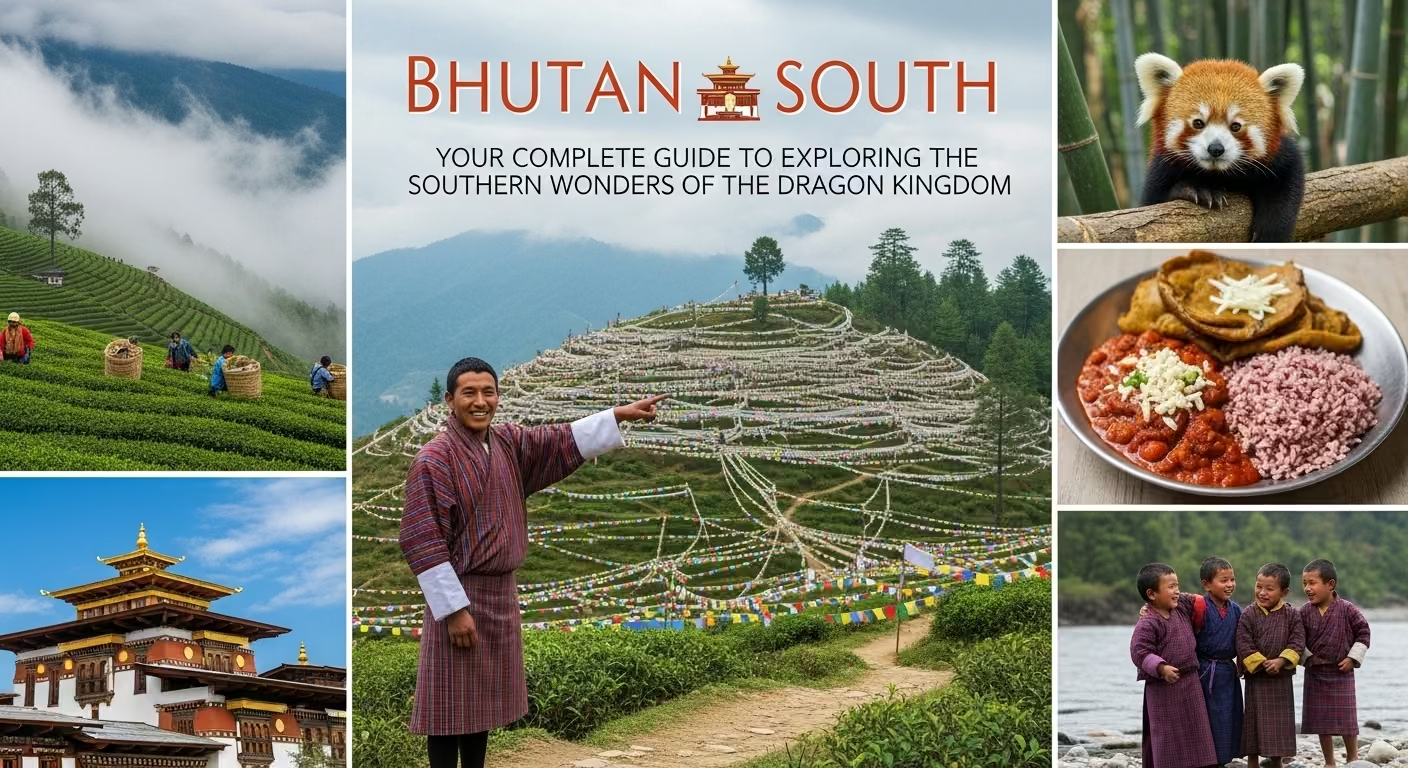
Bhutan South: Your Complete Guide to Exploring the Southern Wonders of the Dragon Kingdom
Introduction
Bhutan, the mystical Himalayan kingdom, has always fascinated travelers with its pristine landscapes and rich cultural heritage. While most visitors flock to the popular central and western regions, Bhutan South remains a hidden treasure waiting to be discovered. This lesser-explored region offers a completely different experience from the typical Bhutanese journey, featuring subtropical forests, diverse wildlife, and authentic village life that few tourists ever witness.
If you’re planning your next adventure and want something truly unique, let me take you through everything you need to know about exploring the southern frontiers of this magical kingdom.
Why Bhutan South Deserves Your Attention
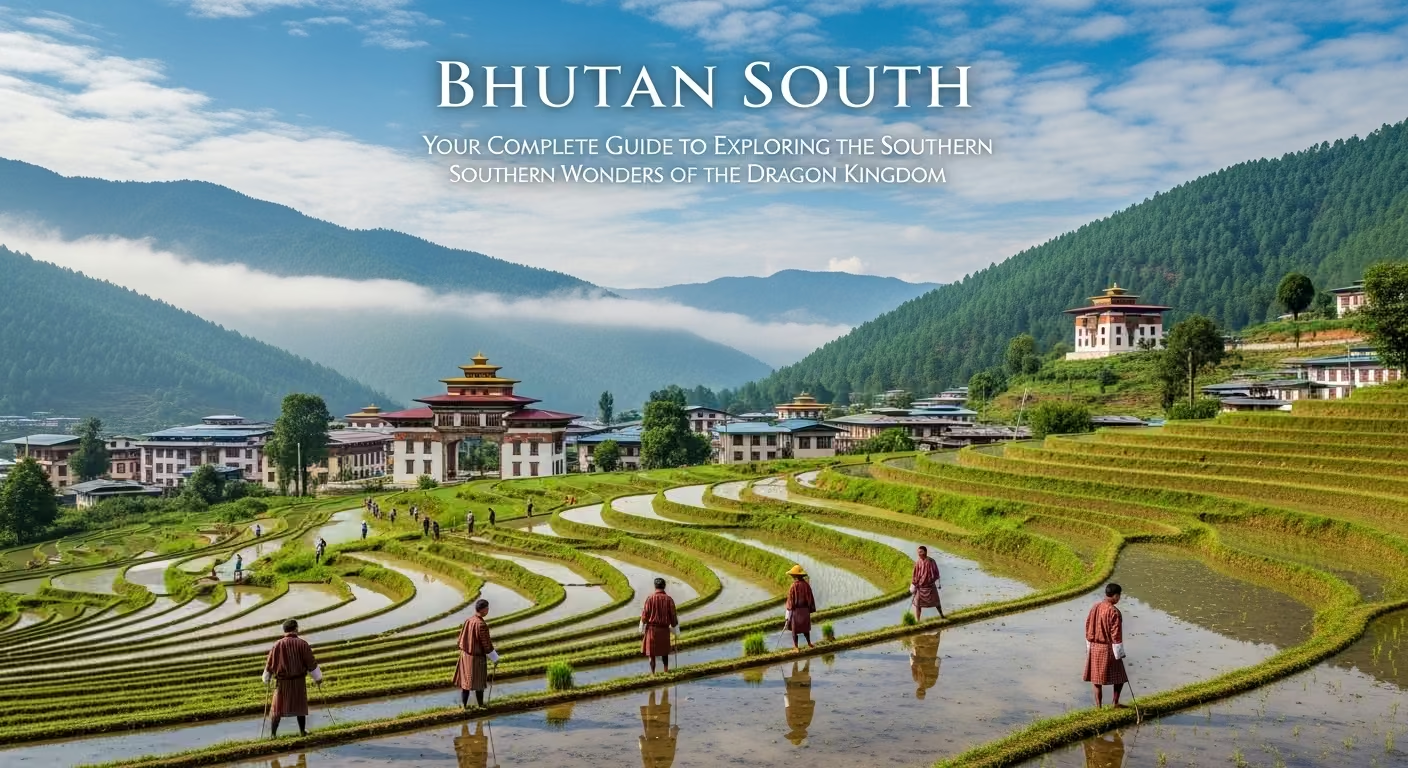
The southern belt of Bhutan stretches along the Indian border, creating a fascinating transition zone between the towering Himalayas and the plains of the subcontinent. Unlike the high-altitude monasteries and dzongs that dominate northern Bhutan, this region presents an entirely different face of the country.
Here’s what makes Bhutan South special:
- Subtropical climate with lush green forests
- Rich biodiversity including rare species
- Less touristy and more authentic experiences
- Affordable travel compared to popular destinations
- Unique blend of cultures and traditions
The southern districts receive significantly fewer visitors than places like Paro or Thimphu. This means you can explore ancient temples, interact with local communities, and witness traditional ceremonies without the crowds that sometimes diminish the experience elsewhere.
Major Destinations in Bhutan South
Phuntsholing: The Gateway to the Kingdom
Phuntsholing serves as the primary entry point for travelers entering Bhutan from India. This bustling border town sits at the foothills and offers a stark contrast to the serene mountain villages most people associate with Bhutan.
What to See in Phuntsholing:
- Zangto Pelri Lhakhang – A beautiful temple representing the heavenly abode
- Kharbandi Gompa – Offering panoramic views of the town and surrounding areas
- Bhutan Gate – The iconic entrance marking the boundary between two nations
- Crocodile Breeding Center – Home to endangered marsh crocodiles
The town experiences warm, humid weather throughout most of the year. Temperatures can reach 30-35 degrees Celsius during summer months, making lightweight clothing essential for visitors.
Gelephu: Where Nature Takes Center Stage
Located in the Sarpang district, Gelephu represents one of the fastest-growing areas in Bhutan South. The town has gained international attention due to the ambitious Mindfulness City project, which aims to create a sustainable urban center focused on wellness and environmental harmony.
Gelephu offers excellent opportunities for nature enthusiasts:
- Royal Manas National Park access
- Diverse bird species for avid watchers
- Rivers perfect for fishing and relaxation
- Traditional Lhotshampa communities nearby
The average elevation here sits around 300 meters, creating comfortable conditions for exploration year-round. Recent government initiatives have improved infrastructure, making Gelephu increasingly accessible for international visitors.
Samdrup Jongkhar: The Eastern Gateway
Sitting in the southeastern corner of the country, Samdrup Jongkhar provides an alternative entry point for travelers coming from India’s Assam state. This district encompasses both lowland areas and mountain territories, offering diverse experiences within a relatively small region.
Key Attractions:
- Samdrup Jongkhar Dzong – Though modern, it showcases traditional architecture
- Deothang – A peaceful town with historical significance
- Mithun conservation areas – Home to these unique bovine animals
- Traditional weaving villages – Where ancient craft traditions continue
The journey from Samdrup Jongkhar northward toward Trashigang takes you through stunning scenery as you climb from subtropical lowlands into mountain terrain.
Exploring Royal Manas National Park
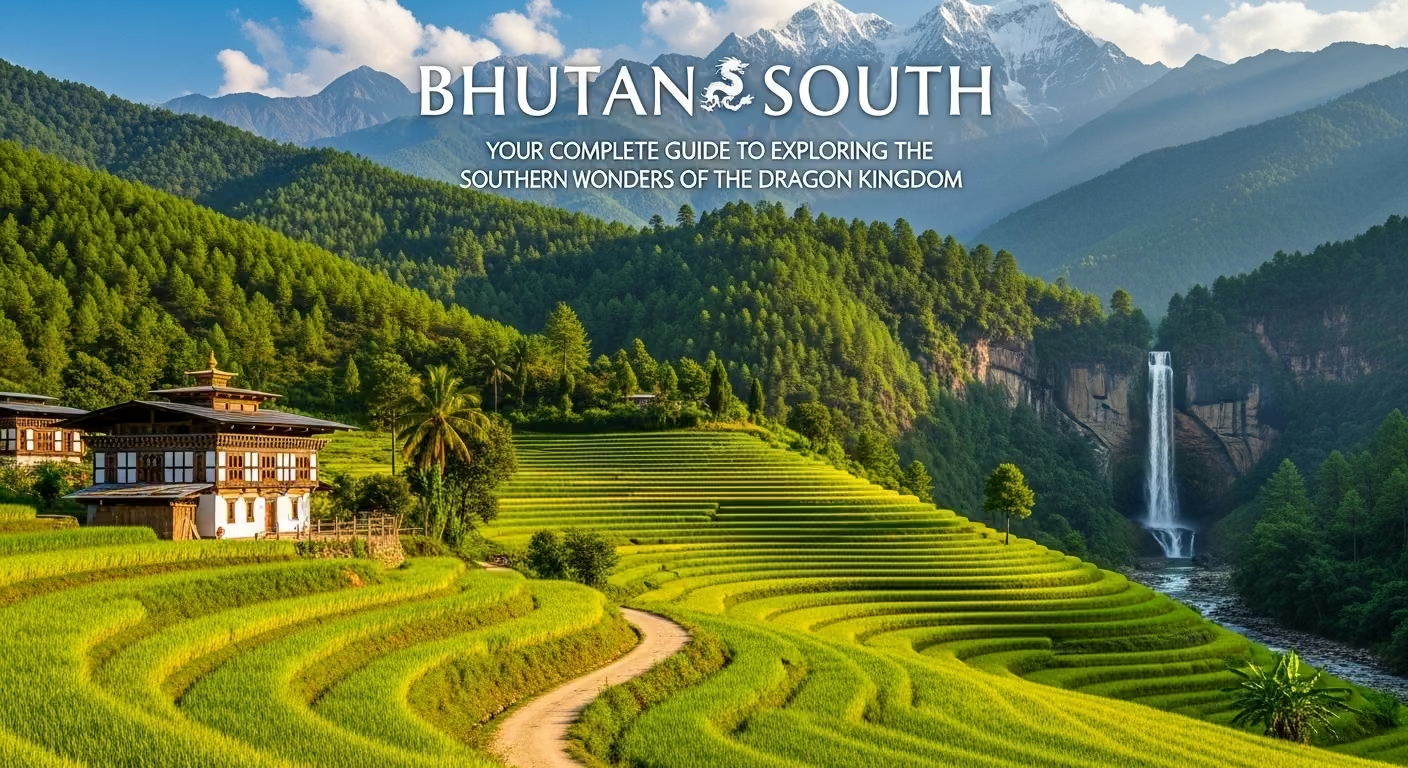
No discussion of Bhutan South would be complete without highlighting Royal Manas National Park. Established in 1966, this protected area is Bhutan’s oldest national park and a UNESCO World Heritage Site.
Wildlife You Might Encounter
The park serves as a sanctuary for numerous endangered species:
- Asian elephants roaming in herds
- Royal Bengal tigers (estimated 20-25 individuals)
- Golden langurs – Bhutan’s most famous primate
- One-horned rhinoceros in smaller numbers
- Over 365 documented bird species
Conservation efforts here have shown remarkable success. The tiger population has remained stable, and elephant herds continue thriving despite challenges faced elsewhere in Asia.
Best Time to Visit
Planning your trip timing matters significantly for wildlife viewing:
| Season | Months | Conditions |
| Winter | November-February | Cool, clear, excellent visibility |
| Spring | March-May | Warm, flowering season, active wildlife |
| Monsoon | June-September | Heavy rain, limited access |
| Autumn | October-November | Pleasant, post-monsoon freshness |
Wildlife viewing peaks during winter and early spring when animals gather near water sources and visibility through the forest improves.
The People and Culture of Bhutan South
Lhotshampa Communities
The southern regions of Bhutan are home to significant Lhotshampa populations – ethnic Nepali communities who have lived in the area for generations. Their presence adds a distinct cultural dimension to this region, distinct from the predominantly Ngalop culture of northern Bhutan.
Lhotshampa traditions include:
- Hindu festivals celebrated alongside Buddhist observances
- Distinctive cuisine with Nepali influences
- Traditional music and dance forms
- Agricultural practices adapted to the subtropical climate
Visiting southern villages provides authentic glimpses into daily life. Farmers tend rice paddies, cardamom plantations, and orange orchards that thrive in the warm, humid conditions.
Traditional Crafts
Artisans in Bhutan South maintain ancient craft traditions passed down through generations. Bamboo weaving remains particularly prominent, with skilled craftspeople creating:
- Household items like baskets and containers
- Furniture designed for local conditions
- Decorative pieces sold in markets
- Agricultural tools for farm work
These handmade items make wonderful souvenirs while supporting local economies directly.
Adventure Activities in Bhutan South
Trekking Routes
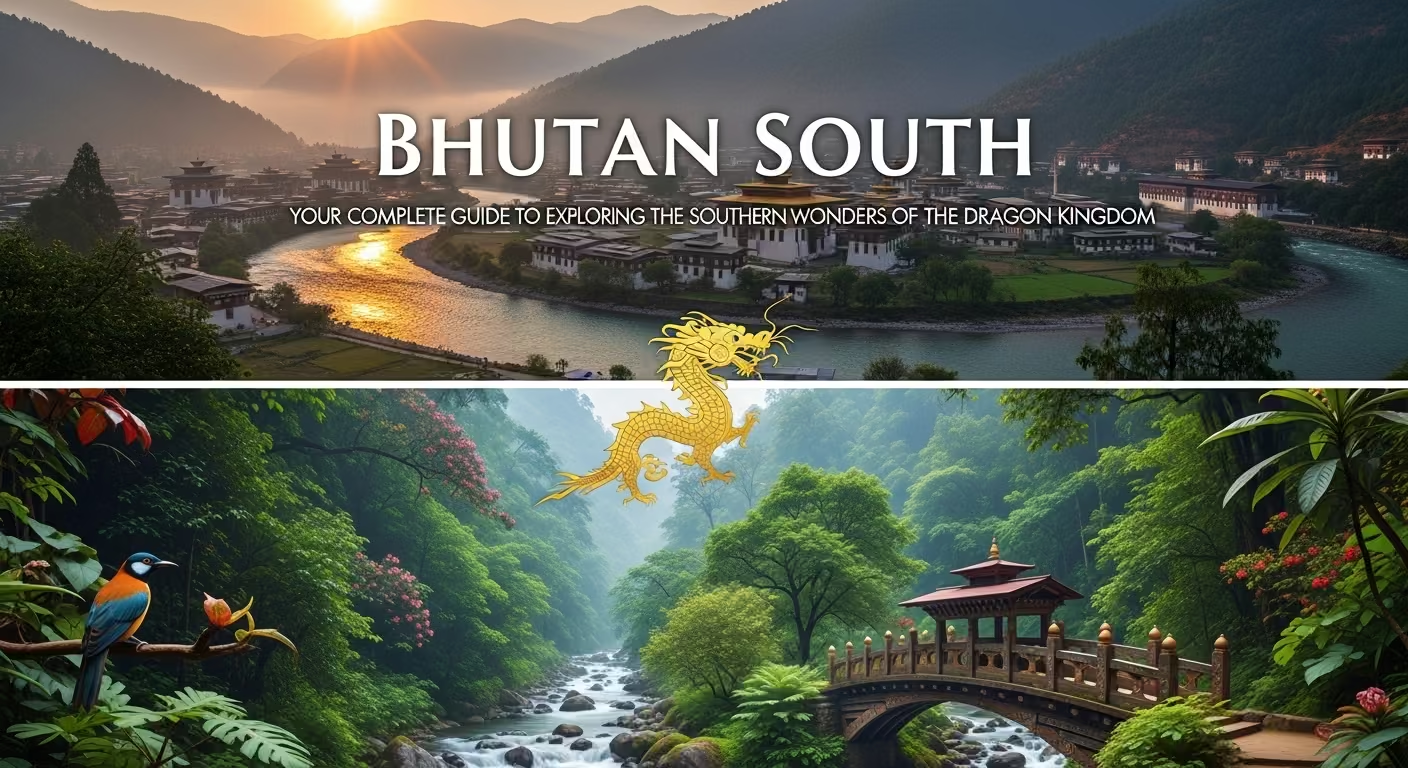
While the famous Snowman Trek dominates discussions of Bhutanese trekking, several lesser-known routes traverse the southern regions:
Manas Trek – A moderate route through Royal Manas National Park offering wildlife encounters alongside hiking. The trek typically takes 4-5 days and requires proper permits and guides.
Southern Boundary Trail – Following paths along the Indian border through subtropical forests. This route suits adventurous travelers seeking off-the-beaten-path experiences.
River Activities
The rivers flowing through Bhutan South offer excellent opportunities for:
- Fishing in designated areas
- Kayaking for experienced paddlers
- River rafting during appropriate seasons
- Photography along scenic riverbanks
Local operators can arrange equipment and guides, though bringing specialized gear from home remains advisable for serious enthusiasts.
Bird Watching
Ornithologists consider Bhutan South a paradise for bird observation. The diverse habitats support species rarely seen elsewhere:
- Rufous-necked hornbills
- White-bellied herons (critically endangered)
- Ward’s trogon
- Beautiful nuthatch
- Great hornbills
The transition zone between lowlands and highlands creates unique conditions where species from different climate zones overlap, multiplying opportunities for sightings.
Practical Travel Information
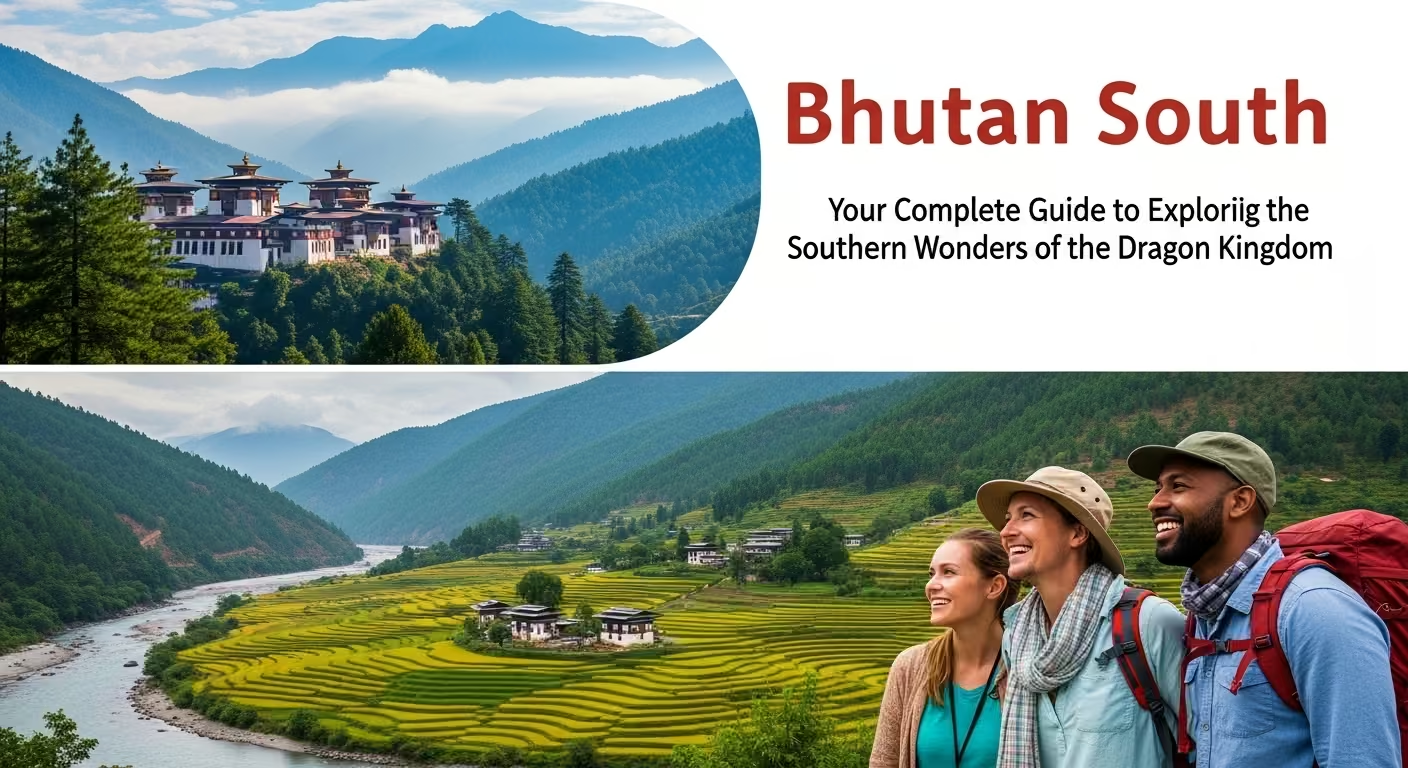
Getting There
Several routes lead to Bhutan South:
By Air: Fly into Paro and travel overland southward, or enter through Indian airports near border crossings.
By Road from India:
- Phuntsholing via Jaigaon (West Bengal)
- Gelephu via Assam
- Samdrup Jongkhar via Assam
Overland from within Bhutan: Mountain roads connect all major towns, though journey times can be lengthy due to terrain.
Accommodation Options
Tourism infrastructure in Bhutan South continues to develop. Current options include:
- Government-approved hotels in major towns
- Homestays offering authentic experiences
- Forest lodges near national parks
- Budget guesthouses for independent travelers
Room rates in southern towns generally run lower than in tourist centers like Paro or Thimphu. Expect to pay between $30-100 per night, depending on accommodation standards.
Health and Safety Considerations
The subtropical climate presents specific health considerations:
- Mosquito protection – Essential during warmer months
- Hydration – The heat demands increased water intake
- Sun protection – Despite humidity, UV exposure remains significant
- Food safety – Stick to bottled water and well-cooked meals
Medical facilities exist in major towns, though serious conditions may require evacuation to Thimphu or India. Travel insurance covering emergency evacuation is strongly recommended.
The Changing Face of Bhutan South
Recent years have brought significant developments to southern Bhutan. The Gelephu Mindfulness City project represents perhaps the most ambitious initiative, envisioning a new kind of urban center focused on:
- Sustainable economic development
- Environmental preservation
- Wellness and mindfulness principles
- International connectivity
Announced by His Majesty King Jigme Khesar Namgyel Wangchuck, this project could transform the region into a major destination while maintaining Bhutan’s commitment to Gross National Happiness over mere economic growth.
Infrastructure Improvements
Road conditions have improved dramatically in recent years. The East-West Highway now provides relatively comfortable access, though travel times remain substantial due to mountainous terrain. Plans for additional border crossings and improved facilities continue advancing.
Best Time to Visit Bhutan South
Understanding seasonal patterns helps plan successful trips:
October to March – The most pleasant period with comfortable temperatures, clear skies, and minimal rainfall. This window offers the best overall conditions for exploration.
April to May – Warming temperatures before monsoon arrival. Good for wildlife viewing as animals seek water sources.
June to September – Monsoon season brings heavy rainfall, potential flooding, and road closures. Travel during this period requires flexibility and acceptance of possible disruptions.
Planning Your Itinerary
Suggested 7-Day Itinerary
Day 1: Arrive in Phuntsholing, explore the border town
Day 2: Visit Kharbandi Gompa, travel toward Gelephu
Day 3: Royal Manas National Park – wildlife safari
Day 4: Continue exploring Manas, jungle walks
Day 5: Journey eastward through the southern districts
Day 6: Explore local villages and markets
Day 7: Return journey or continue to eastern Bhutan
This framework allows flexibility while covering major highlights. Longer trips permit deeper exploration of individual areas.
Final Thoughts
Bhutan South offers experiences that contrast beautifully with the kingdom’s more famous destinations. Here, you’ll find subtropical forests instead of alpine meadows, diverse wildlife instead of high-altitude monasteries, and authentic village life largely untouched by tourism.
The region rewards curious travelers willing to venture beyond typical itineraries. Whether your interests lie in wildlife watching, cultural immersion, or simply experiencing somewhere genuinely different, the southern belt of Bhutan delivers in ways that surprise and delight.