
Elie Wiesel Romania: The Birthplace and Early Life of a Nobel Laureate
Introduction
The connection between Elie Wiesel Romania runs deep, forming the foundation of one of the most important voices in Holocaust remembrance. Born in the small Transylvanian town of Sighet, Wiesel’s Romanian roots shaped his identity, his writing, and his lifelong mission to ensure humanity never forgets the horrors of genocide.
Understanding the Elie Wiesel Romania origins of this remarkable man provides essential context for appreciating his work and legacy. This article explores the birthplace, childhood, and enduring connection that Elie Wiesel maintained with Romania throughout his extraordinary life.
The Town of Sighet: Where It All Began
A Vibrant Jewish Community
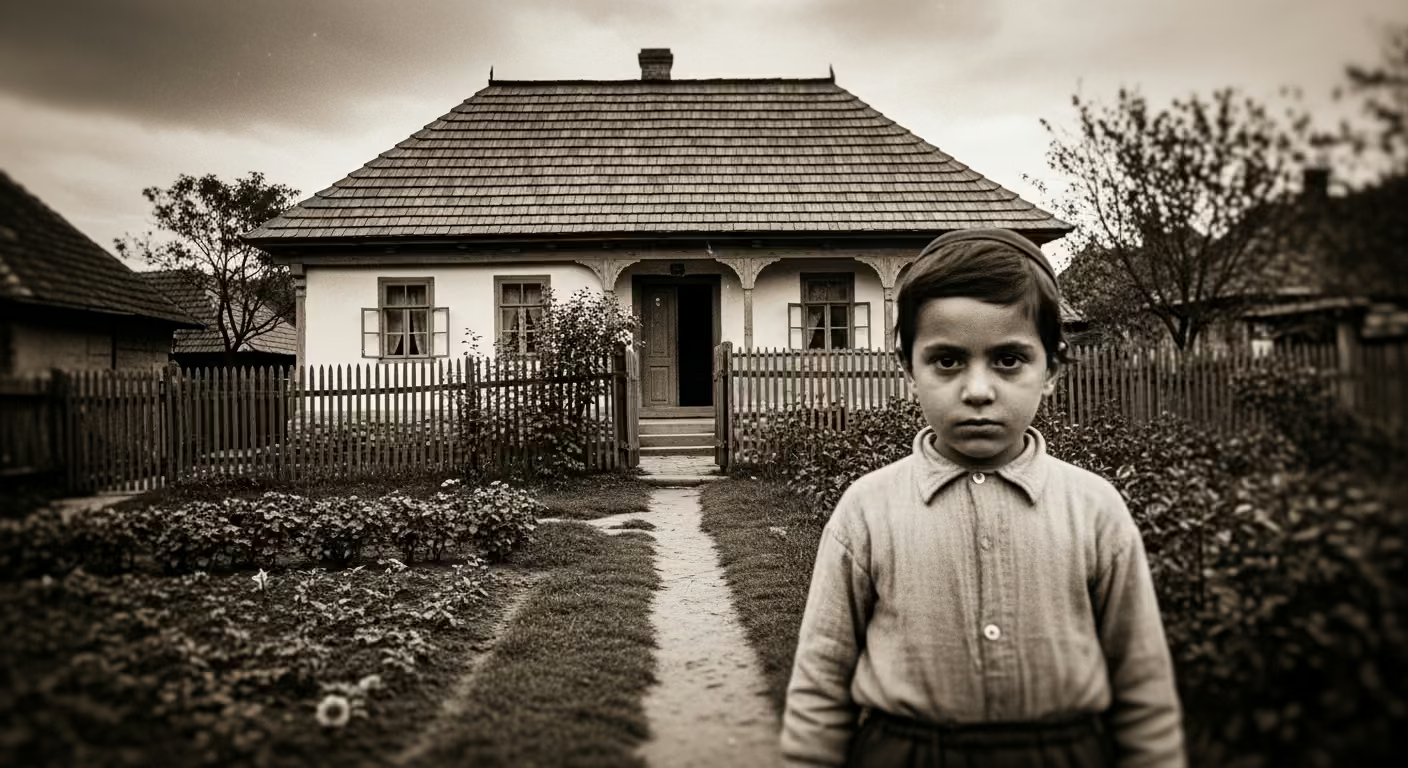
Sighet, officially known as Sighetu Marmației, sits in the northern reaches of Romania, nestled in the Maramureș region near the Ukrainian border. When Elie Wiesel was born there on September 30, 1928, the town hosted a thriving Jewish community that had existed for centuries.
The Jewish population of Sighet at that time numbered approximately 10,000 people, representing nearly 40% of the town’s total residents. This community formed a vibrant tapestry of:
- Orthodox religious practice
- Hasidic traditions and mysticism
- Yiddish language and culture
- Thriving commercial enterprises
- Educational institutions and synagogues
Young Eliezer, as he was known in his family, grew up surrounded by this rich cultural environment. The streets of Sighet echoed with Yiddish conversations, the sounds of prayer from multiple synagogues, and the bustle of Jewish-owned shops and businesses.
The Wiesel Family Home
The Wiesel family lived modestly but comfortably in Sighet. His father, Shlomo Wiesel, ran a grocery store and was highly respected in the community for his wisdom and dedication to helping others. His mother, Sarah Feig, came from a family with strong Hasidic traditions.
Elie had three sisters:
- Hilda – The eldest, who survived the Holocaust
- Beatrice – Also survived the war
- Tzipora – The youngest, who perished along with their mother
The family’s home served as a center for both religious learning and community gathering. Shlomo Wiesel often helped community members navigate bureaucratic challenges and provided counsel to those facing difficulties.
Childhood and Education in Romania
Religious Studies and Intellectual Development
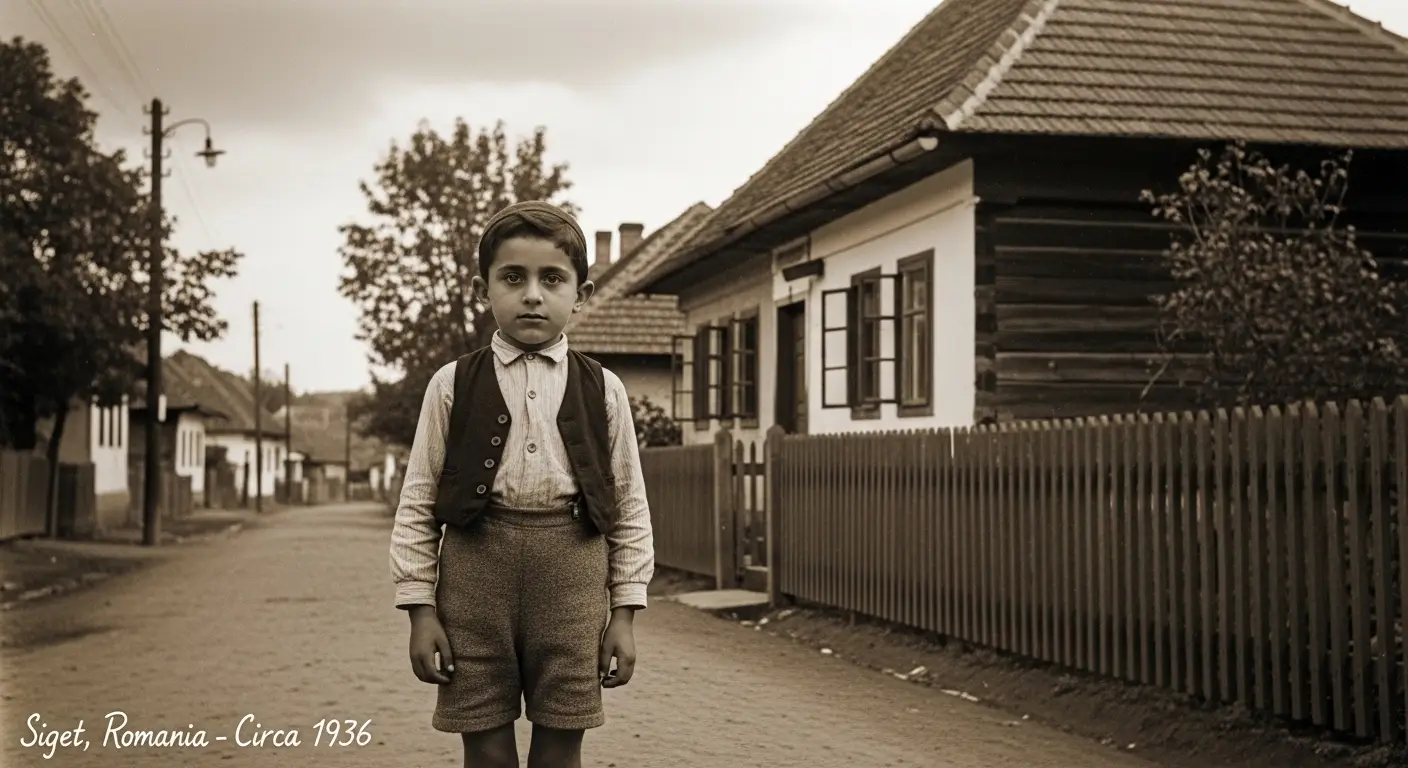
From an early age, Elie Wiesel demonstrated exceptional intellectual curiosity. His education in Sighet focused heavily on religious texts, following the traditional path expected of young Jewish boys in Orthodox communities.
His studies included:
- Torah and biblical commentaries
- Talmudic discussions and debates
- Kabbalah and Jewish mysticism
- Hebrew language mastery
- Hasidic stories and teachings
Wiesel later wrote extensively about his spiritual mentor, Moishe the Beadle, a poor caretaker at the local synagogue who introduced him to the mysteries of Kabbalah. This relationship proved formative, igniting a passion for mystical understanding that would influence Wiesel’s writing throughout his life.
The Romanian Context
Understanding the broader Romanian context helps explain the world young Wiesel inhabited. During the 1930s, Romania experienced significant political turmoil:
| Period | Political Situation | Impact on Jews |
|---|---|---|
| 1930-1938 | Unstable democracy | Growing antisemitism |
| 1938-1940 | Royal dictatorship | Restrictive laws |
| 1940-1944 | Antonescu regime | Severe persecution |
The rise of the Iron Guard and later the alliance with Nazi Germany created increasingly dangerous conditions for Elie Wiesel Romania Jews. However, Sighet’s location in Northern Transylvania meant it fell under Hungarian control in 1940, following the Second Vienna Award that transferred this territory to Hungary.
The Hungarian Occupation and Its Consequences
Life Under Hungarian Rule
When Hungary annexed Northern Transylvania in August 1940, the Jewish community of Sighet found itself under new rulers. Initially, many believed this might protect from the worst excesses occurring elsewhere.
Hungarian control brought changes to daily life:
- New administrative requirements
- Hungarian language is becoming dominant
- Shifting commercial regulations
- Altered educational policies
- Military service obligations for some
Despite hardships, the Jewish community of Sighet continued functioning relatively normally for nearly four years. Synagogues remained open, businesses operated, and families like the Wiesels maintained their routines.
The Catastrophic Year of 1944
Everything changed dramatically in March 1944 when Germany occupied Hungary. Within weeks, measures against Jews intensified rapidly:
- April 1944 – Jews ordered to wear yellow stars
- Mid-April – Establishment of ghettos
- Late April – Concentration in the main ghetto
- May 1944 – Deportations begin
The Wiesel family, along with virtually the entire Jewish population of Sighet, was crowded into hastily established ghettos. Conditions deteriorated rapidly as thousands of people were confined to small areas with inadequate food, water, and sanitation.
Deportation: The End of Jewish Sighet
The Final Days
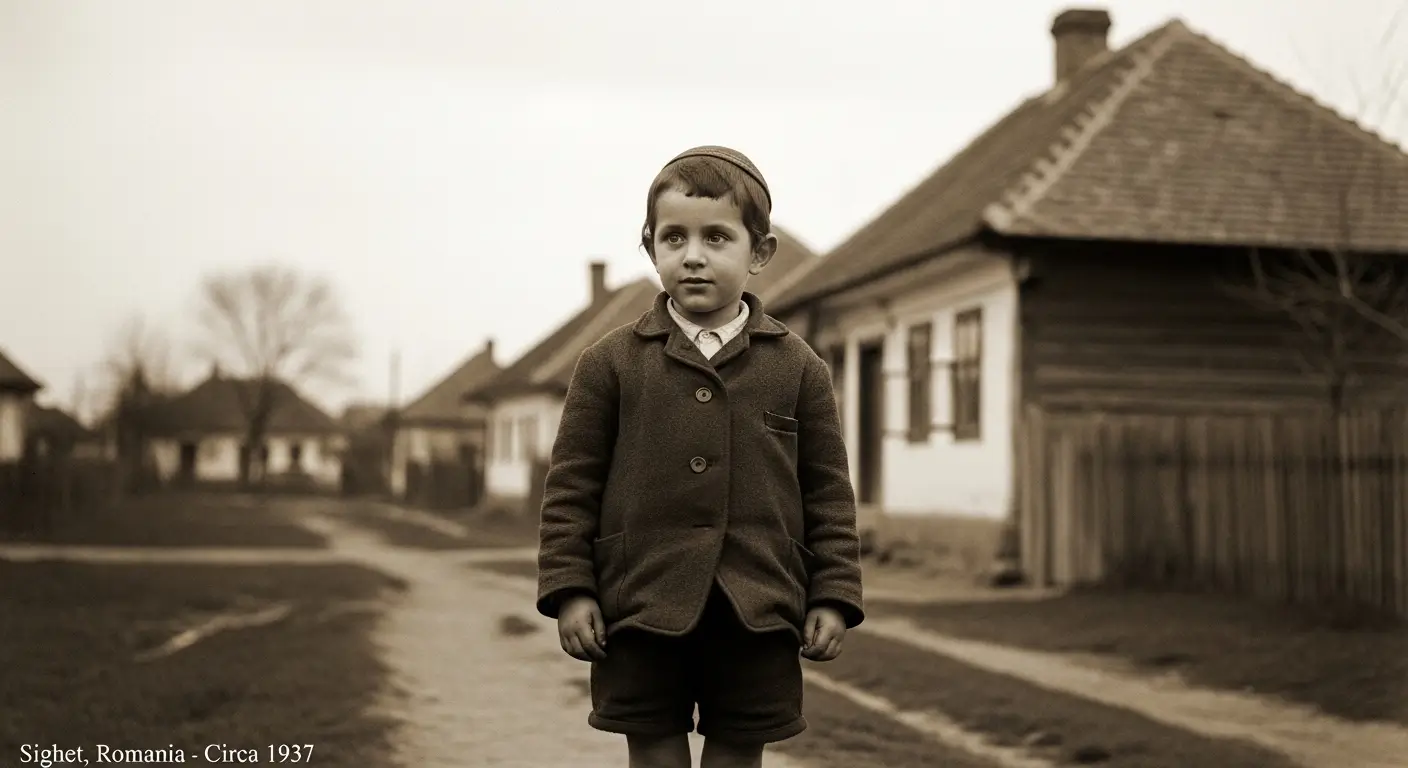
In May 1944, the deportations from Sighet began. Over a period of just a few weeks, approximately 13,000 Jews from Sighet and surrounding areas were loaded onto cattle cars bound for Auschwitz-Birkenau.
Elie Wiesel was fifteen years old when his family boarded those trains. The journey that followed would become the subject of his most famous work, “Night,” which described in haunting detail:
- The terror of the sealed cattle cars
- Arrival at Auschwitz and the selection process
- Separation from his mother and youngest sister
- The struggle to survive alongside his father
Wiesel never saw his mother, Sarah, or sister Tzipora again. They were murdered upon arrival at Auschwitz, like the majority of those deemed unable to work.
Statistical Reality
The destruction of the Jewish community represents one of the most complete eradications during the Holocaust:
- Pre-war Jewish population of Sighet: Approximately 10,000
- Deportees from the Sighet region: Around 13,000
- Survivors who returned: Fewer than 1,000
- Current Jewish population: Virtually none
These numbers represent not just statistics but the complete annihilation of a centuries-old community that had contributed enormously to Sighet’s cultural and economic life.
Elie Wiesel’s Return to Romania
First Return in 1964
After surviving Auschwitz and Buchenwald, losing his father just weeks before liberation, Wiesel eventually made his way to France and later the United States. For nearly two decades, he avoided returning to Romania.
In 1964, he finally made the journey back to Sighet. What he found was devastating:
- His childhood home was occupied by strangers
- The Jewish cemetery is neglected and overgrown
- Former synagogues repurposed or abandoned
- No visible memory of the vanished community
- Neighbors who seemed to have forgotten completely
This return influenced much of his subsequent writing and activism. The experience of confronting absence, of walking streets that should have been filled with Jewish life but instead held only silence, shaped his understanding of memory’s importance.
Subsequent Visits
Wiesel returned to Romania several times throughout his life:
1979 – Visited during his work on the President’s Commission on the Holocaust under President Carter
1991 – Met with Romanian President Ion Iliescu to discuss Holocaust remembrance
2002 – Returned for the dedication of a memorial museum in Sighet
2007 – Received honorary citizenship and attended commemorative events
Each visit served a purpose beyond personal memory. Wiesel used these returns to advocate for proper Holocaust education in Romania and recognition of the country’s complex history during World War II.
The Sighet Memorial Museum
Transforming Memory into Education
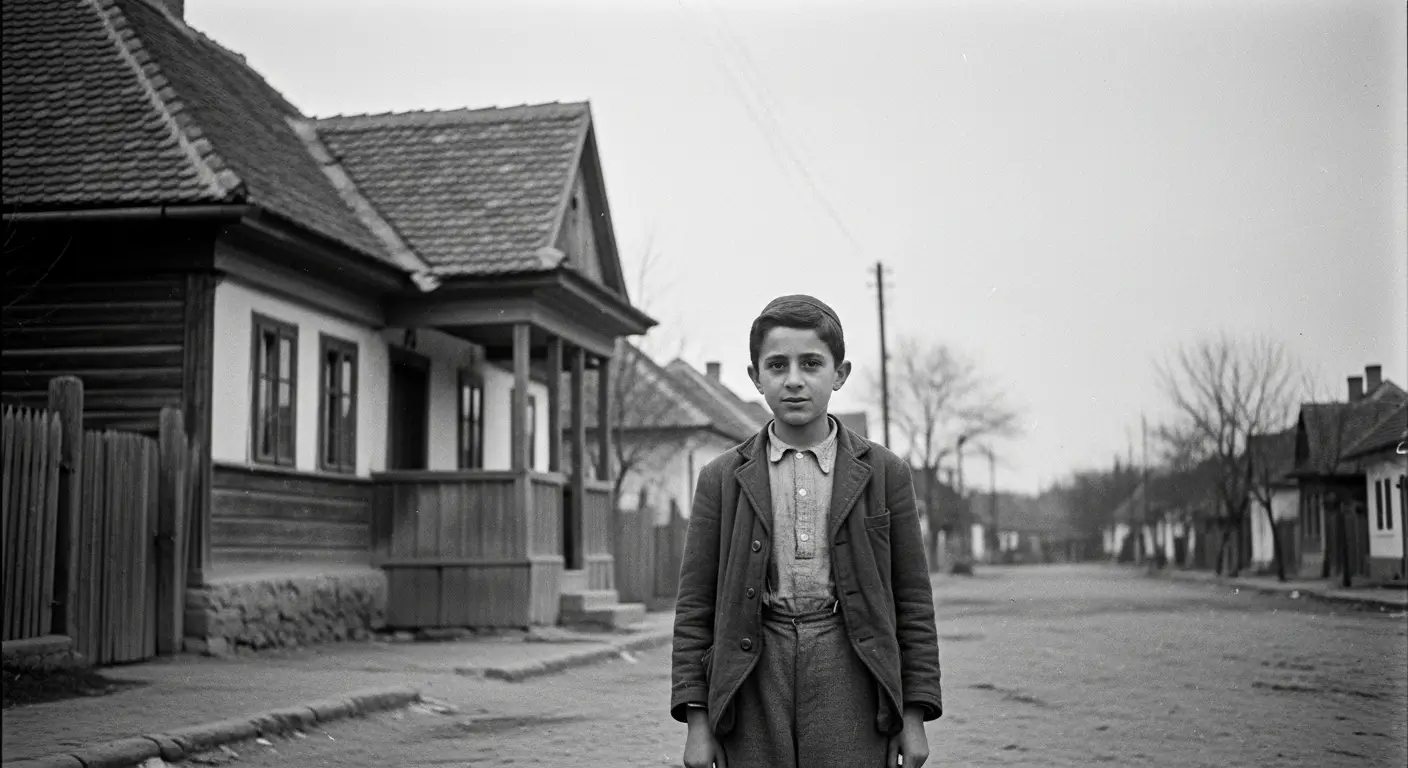
The Memorial of the Victims of Communism and of the Resistance in Sighet occupies the former prison where many political prisoners were held during Romania’s communist period. While this museum primarily addresses communist-era persecution, Sighet also hosts Holocaust memorial sites.
The Jewish heritage sites in Sighet include:
- The Elie Wiesel Memorial House – Located in his childhood home
- The remaining synagogue – Now serving as a memorial
- The Jewish cemetery – Restored and maintained
- Memorial plaques – Marking significant locations
The Elie Wiesel Memorial House opened in 2018, transforming the modest building where he spent his childhood into an educational center. Visitors can walk through rooms where young Eliezer studied Torah, where family meals were shared, and where ordinary life continued until that terrible spring of 1944.
Romania’s Holocaust Reckoning
The Wiesel Commission
In 2003, Romanian President Ion Iliescu appointed Elie Wiesel to lead an international commission investigating the Holocaust in Romania. This marked a significant moment in the country’s historical reckoning.
The Commission’s key findings:
- Romania bore responsibility for the deaths of 280,000-380,000 Jews
- The Antonescu regime actively participated in the genocide
- Massacres occurred at Iași, Odessa, and throughout Transnistria
- Post-war communist governments suppressed Holocaust memory
- Educational reforms were urgently needed
The Commission’s final report, delivered in 2004, led to concrete changes:
- Official government acknowledgment of Romanian Holocaust participation
- Establishment of Holocaust Remembrance Day (October 9)
- Mandatory Holocaust education in schools
- Creation of the National Institute for the Study of the Holocaust
Ongoing Challenges
Despite progress, Elie Wiesel Romania connections continue generating important discussions about memory and responsibility. Challenges remain:
- Revisionist narratives still appear periodically
- Some political figures have made troubling statements
- Holocaust education varies in quality across regions
- Monuments to wartime figures with problematic records persist
Wiesel addressed these concerns directly during his visits and in his writings, consistently calling for honest historical examination without excuse or evasion.
Literary Legacy and Romanian Influences
“Night” and Its Romanian Roots
The masterpiece “Night” draws directly from Wiesel’s Romanian childhood and subsequent deportation. The book begins in Sighet, describing:
- The insular Jewish community’s initial disbelief
- Moishe the Beadle’s warnings after witnessing massacres
- The gradual tightening of restrictions
- The final days before deportation
The Romanian setting proves essential to the narrative’s power. Wiesel portrays a complete world that existed in that small Transylvanian town – a world of faith, family, and tradition that was utterly destroyed.
Other Works Connected to Romania
Beyond “Night,” numerous works reference his Romanian origins:
- “The Town Beyond the Wall” – Returns to themes of homecoming
- “A Jew Today” – Essays discussing identity and origin
- “All Rivers Run to the Sea” – Memoir with extensive Romanian content
- “The Judges” – Novel touching on memory and place
These works collectively create a literary monument to the vanished world of Jewish Romania, preserving in words what was physically destroyed.
Elie Wiesel’s Enduring Romanian Legacy
Recognition and Honors
Romania has officially recognized Wiesel’s importance through various honors:
- Honorary citizenship of Romania
- Streets named in his honor
- Educational programs bearing his name
- Annual commemorative events in Sighet
- Inclusion in school curricula
These recognitions reflect both his global importance and his specific significance to Romanian history and memory.
Impact on Romanian Society
The influence of Elie Wiesel on Romanian Holocaust consciousness cannot be overstated:
- His international prestige added weight to calls for honest history
- The Wiesel Commission created lasting institutional changes
- His personal story provides an accessible entry point for education
- His return to Sighet generated media attention and public discussion
- His moral authority challenged denialism and minimization
Young Romanians today learn about the Holocaust partly because Wiesel insisted they must. His connection to Romania gave him standing to demand accountability that an outsider might have lacked.
Visiting Elie Wiesel’s Romania Today
Planning Your Visit
Those wishing to explore the Romanian roots of Elie Wiesel can plan meaningful journeys:
Essential Sites:
- Elie Wiesel Memorial House, Sighet
- Jewish Cemetery, Sighet
- Former synagogue site
- Deportation memorial markers
- Maramureș region traditional villages
Practical Information:
- Nearest major airport: Cluj-Napoca (approximately 160 km)
- Accommodation available in Sighet and the surrounding areas
- Guided tours can be arranged through memorial organizations
- Best visited during spring or autumn for comfortable weather
Respectful Remembrance
Visitors should approach these sites with appropriate solemnity. These are not merely tourist attractions but sacred spaces marking tremendous loss. Appropriate behavior includes:
- Dressing modestly
- Speaking quietly
- Following the posted guidelines
- Avoiding inappropriate photography
- Taking time for reflection
Conclusion
The relationship between Elie Wiesel and Romania represents far more than biographical detail. It embodies the intersection of personal memory and collective history, of individual tragedy and communal responsibility.
Understanding where Wiesel came from – the vibrant community that nurtured his intellectual development, the streets where he played as a child, the synagogues where he studied and prayed – makes the horror of its destruction more comprehensible and more devastating.
Romania has made significant progress in confronting its Holocaust history, largely due to Wiesel’s persistent advocacy. His willingness to return, to engage with Romanian leaders, and to lead the investigative commission demonstrated a remarkable commitment to truth and reconciliation.