Introduction
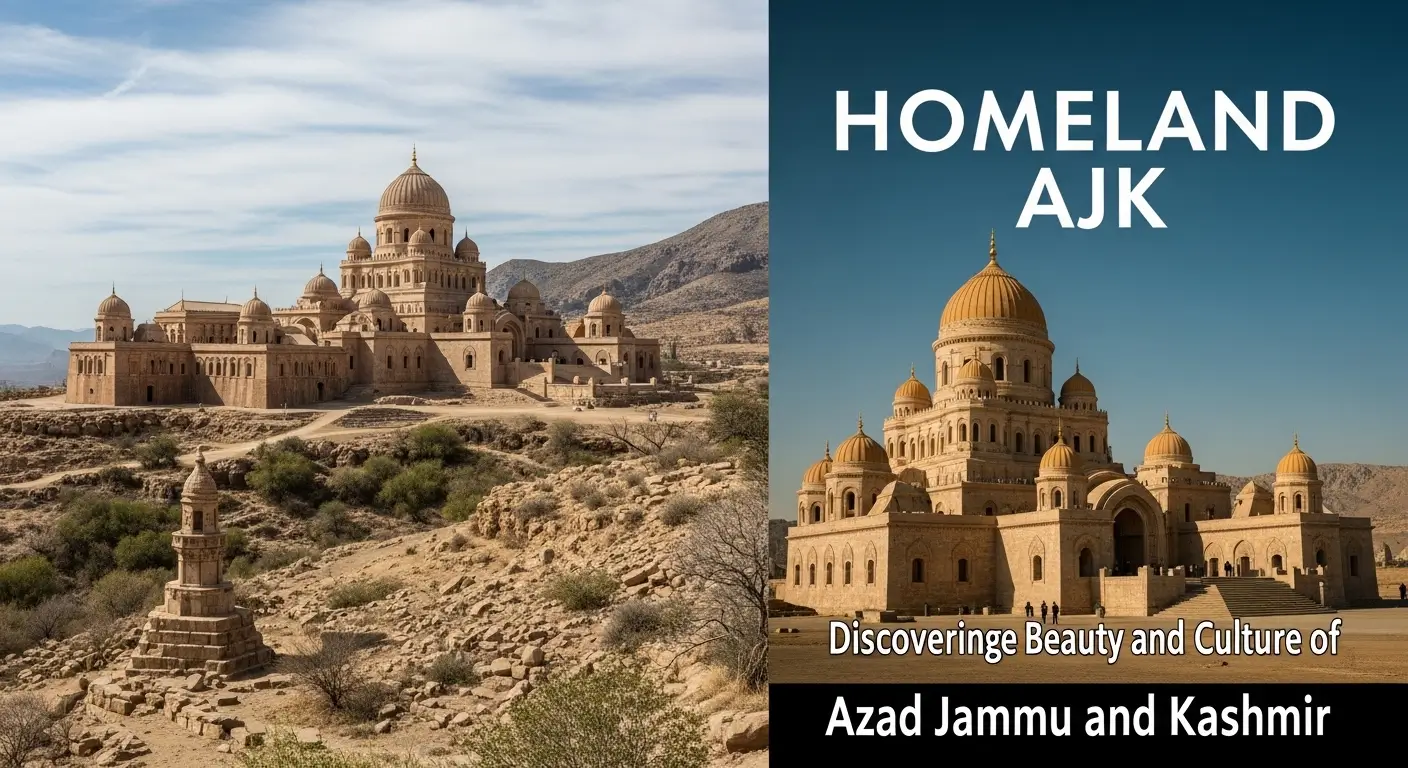
Nestled in the heart of the Himalayas lies a region of breathtaking natural beauty, rich cultural heritage, and warm hospitality. Azad Jammu and Kashmir, commonly known as AJK, is a self-governing territory that captivates visitors with its snow-capped mountains, lush valleys, and crystal-clear rivers. For those who call this place home, homeland AJK represents more than just a geographical location—it’s a tapestry of memories, traditions, and deep-rooted connections to the land.
Understanding Azad Jammu and Kashmir
Azad Jammu and Kashmir, which translates to “Free Jammu and Kashmir,” is a region administered by Pakistan. Covering approximately 13,297 square kilometers, this territory is home to over 4 million people who cherish their unique identity and heritage.
Geographic Location
Homeland AJK is strategically positioned in South Asia, bordered by:
- Punjab province of Pakistan to the south
- Khyber Pakhtunkhwa province to the west
- Gilgit-Baltistan to the north
- Indian-administered Kashmir to the east
The region’s geography is predominantly mountainous, with elevations ranging from 360 meters to over 6,325 meters above sea level. This varied topography creates diverse microclimates and ecosystems that contribute to the area’s stunning natural diversity.
The Districts of AJK
The homeland AJK, is divided into ten administrative districts, each with its own character and attractions:
- Muzaffarabad – The capital city and gateway to AJK
- Mirpur – Known for its modern infrastructure and economic prosperity
- Bhimber – The district with the lowest elevation
- Kotli – Famous for its agricultural productivity
- Rawalakot (Poonch) – A scenic hill station
- Bagh – Known for its natural beauty and forests
- Sudhnoti – A newly formed district with rich culture
- Neelum Valley – Perhaps the most picturesque region
- Hattian Bala – Created after the 2005 earthquake
- Haveli – The smallest district by area
Each district contributes uniquely to the cultural and economic fabric of the region.
Natural Beauty That Defines Homeland AJK
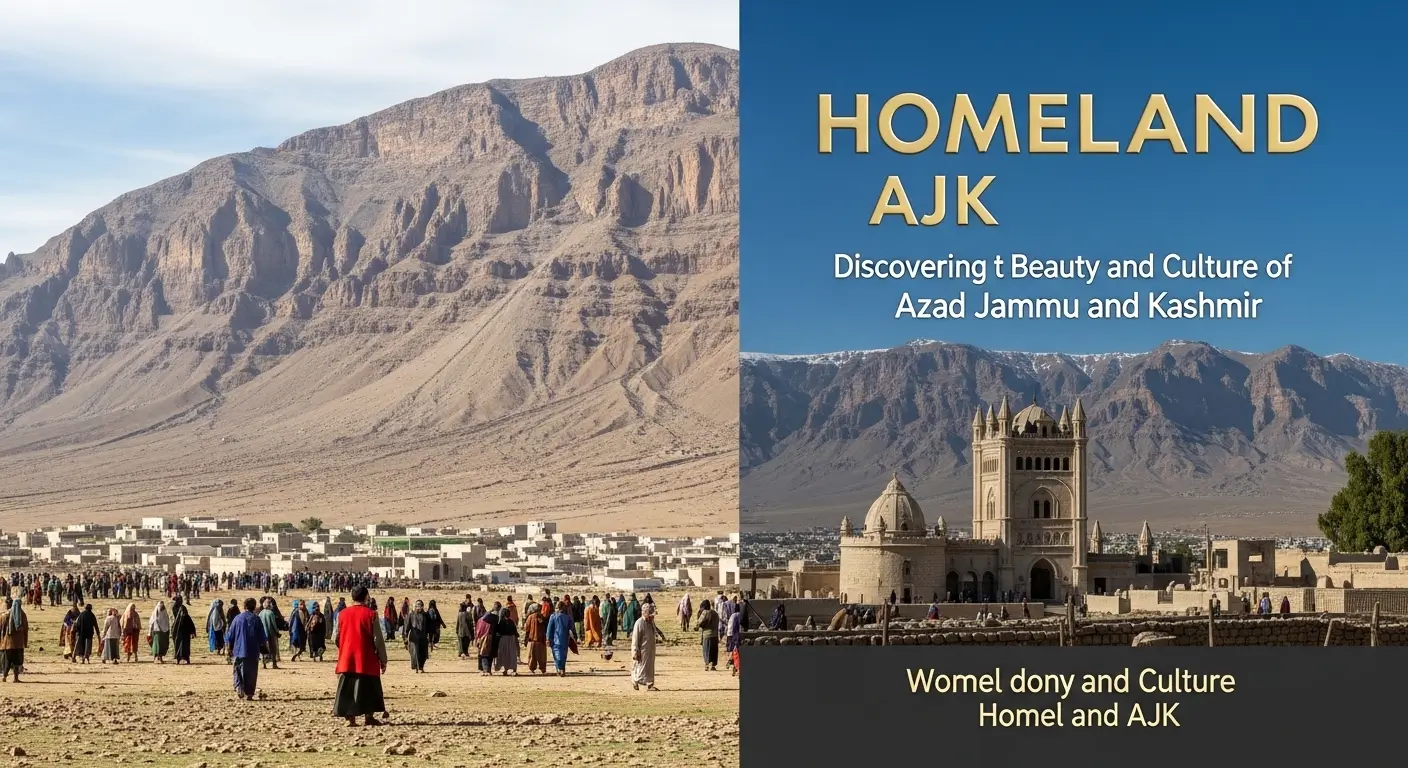
The natural landscape of the homeland, AJK, is nothing short of spectacular. This region has become increasingly popular among tourists seeking unspoiled mountain scenery and adventure.
The Majestic Neelum Valley
Often called the “Paradise of AJK,” Neelum Valley stretches over 200 kilometers alongside the Neelum River. This valley features:
- Dense pine forests that cover the mountainsides
- Turquoise rivers flowing through rocky gorges
- Small villages perched on hilltops
- Meadows blooming with wildflowers in summer
- Snow-covered peaks providing a dramatic backdrop
Popular destinations within Neelum Valley include Keran, Sharda, Kel, and Arang Kel, each offering unique experiences and breathtaking views.
Rawalakot and Surrounding Areas
The Poonch district, with Rawalakot as its headquarters, offers visitors a glimpse into the serene beauty of homeland AJK. The area features:
- Banjosa Lake: A peaceful artificial lake surrounded by forests
- Toli Pir: A high-altitude meadow offering panoramic views
- Rolling hills covered in pine and deodar trees
- Pleasant weather during summer months
- Traditional mountain villages
Mirpur: The City of Lights
While Mirpur may not have the mountain scenery of northern AJK, it holds special significance as an economic hub. Known as the “City of Lights” due to its vibrant nightlife and well-lit streets, Mirpur represents the modern face of homeland AJK.
The city features:
- Modern shopping centers and markets
- Well-maintained roads and infrastructure
- Mangla Dam, one of Pakistan’s largest water reservoirs
- A significant diaspora connection, particularly with the United Kingdom
Cultural Heritage and Traditions
The culture of homeland AJK is a beautiful blend of various influences, including Kashmiri, Punjabi, and Pahari traditions. This cultural richness manifests in language, clothing, cuisine, and social customs.
Languages Spoken
The linguistic diversity in homeland AJK reflects its cultural complexity:
- Pahari: The most widely spoken language
- Kashmiri: Particularly in northern regions
- Gojri: Spoken by the Gujjar community
- Hindko: Common in certain areas
- Urdu: The official language used in education and government
- Punjabi: Spoken in southern districts
This multilingual environment creates a rich tapestry of expression and communication.
Traditional Cuisine
Food holds a special place in the culture of homeland AJK. Traditional dishes include:
Meat-Based Dishes
- Kashmiri Rogan Josh
- Tabak Maaz (fried lamb ribs)
- Yakhni (yogurt-based curry)
- Gushtaba (meatballs in yogurt gravy)
Vegetarian Options
- Haakh (collard greens)
- Dum Aloo (spiced potatoes)
- Various lentil preparations
Bread and Rice
- Kashmiri naan
- Bakarkhani (sweet flatbread)
- Aromatic rice dishes
Festivals and Celebrations
The people of homeland AJK celebrate various festivals throughout the year:
- Eid-ul-Fitr and Eid-ul-Adha: Major Islamic festivals celebrated with family gatherings
- Kashmir Day (February 5): Commemorating solidarity with Kashmir
- Independence Day (August 14): Celebrating with Pakistani national day
- Local harvest festivals: Marking agricultural seasons
- Wedding celebrations: Extended affairs featuring traditional music and dance
Economic Landscape
The economy of homeland AJK is diverse, with multiple sectors contributing to its growth and development.
Key Economic Sectors
Agriculture
Despite the mountainous terrain, agriculture remains important:
- Terraced farming on hillsides
- Cultivation of wheat, maize, and barley
- Fruit orchards producing apples, apricots, and walnuts
- Livestock rearing, especially sheep and goats
Hydroelectric Power
The rivers of homeland AJK provide significant hydroelectric potential:
- Mangla Dam generates substantial electricity
- Several smaller hydroelectric projects
- Potential for future development
Tourism
Tourism has emerged as a growing economic sector:
- Increasing domestic tourism from urban Pakistan
- International visitors discovering AJK’s beauty
- Development of hotels and guest houses
- Adventure tourism activities
Remittances
A large diaspora community contributes significantly:
- Overseas Kashmiris, particularly from the UK, send money home
- These remittances support families and local development
- Investment in property and businesses
Educational Development
Education in homeland AJK has seen considerable progress over recent decades.
Educational Infrastructure
The region has invested in education at all levels:
- Primary and Secondary Schools: Spread across urban and rural areas
- Higher Education Institutions: Including the University of Azad Jammu and Kashmir in Muzaffarabad
- Technical and Vocational Training: Preparing youth for employment
- Private Educational Institutions: Complementing government schools
Challenges and Progress
While progress has been made, homeland AJK still faces educational challenges:
- Geographic barriers in remote mountainous areas
- Gender gaps in education, though narrowing
- Need for more specialized higher education facilities
- Brain drain as educated youth seek opportunities elsewhere
The 2005 Earthquake: A Defining Moment
October 8, 2005, marks a tragic date in the history of homeland AJK. A devastating earthquake measuring 7.6 on the Richter scale struck the region, causing immense destruction.
Impact of the Disaster
The earthquake’s effects were catastrophic:
- Over 73,000 people lost their lives
- Hundreds of thousands were injured
- Entire villages were destroyed
- Schools, hospitals, and infrastructure collapsed
- Millions were left homeless as winter approached
Recovery and Resilience
The recovery process demonstrated the resilience of the people of homeland AJK:
Immediate Response
- International aid poured in from around the world
- Pakistani military led rescue operations
- Diaspora communities fundraised extensively
- Temporary shelters were established
Long-term Reconstruction
- Earthquake-resistant buildings were constructed
- Infrastructure was rebuilt to higher standards
- New towns and settlements were planned
- Disaster preparedness systems were improved
Today, while scars remain, homeland AJK has largely recovered, with many areas rebuilt better than before.
The Diaspora Connection
One unique aspect of homeland AJK is its significant diaspora population, particularly in the United Kingdom.
Migration Patterns
The connection between homeland AJK and the UK dates back several decades:
- Many families from Mirpur district migrated when Mangla Dam was constructed
- Workers were recruited to help rebuild Britain after World War II
- Family reunification continued through subsequent generations
- Today, an estimated 70% of British Pakistanis trace their origins to AJK
Maintaining Connections
The diaspora maintains strong ties with homeland AJK through:
- Regular visits: Especially during summer months
- Financial support: Sending money to family members
- Investment: Building homes and starting businesses
- Cultural preservation: Teaching language and traditions to younger generations
- Political engagement: Participating in AJK’s political processes
Tourism Potential and Development
Homeland AJK possesses enormous tourism potential that remains largely untapped.
Adventure Tourism Opportunities
The mountainous terrain offers numerous adventure activities:
- Trekking and Hiking: Countless trails through forests and mountains
- Camping: Beautiful locations for outdoor enthusiasts
- Fishing: Rivers teeming with trout
- Mountaineering: Challenging peaks for experienced climbers
- Paragliding: Emerging in certain areas
Eco-Tourism
The pristine environment of homeland AJK is perfect for eco-tourism:
- Unspoiled forests and wildlife
- Sustainable tourism practices being introduced
- Community-based tourism initiatives
- Conservation efforts protecting natural heritage
Infrastructure Development
To support growing tourism, development efforts include:
- Road improvements connecting remote areas
- Hotel and guesthouse construction
- Tourist information centers
- Mobile connectivity expansion
- Safety and rescue services
Challenges Facing Homeland AJK
Despite its beauty and potential, homeland AJK faces several challenges:
Political Status
The region’s political status remains complex:
- Part of the larger Kashmir dispute
- Desire for self-determination among many residents
- Limited international recognition
- Impact on development and investment
Infrastructure Needs
Continued infrastructure development is necessary:
- Road networks in remote areas need improvement
- Healthcare facilities require expansion
- Water and sanitation systems need upgrading
- Electricity supply needs reliability
Economic Development
Creating sustainable economic opportunities remains crucial:
- Youth unemployment needs addressing
- Diversification beyond remittances is necessary
- Small business development requires support
- Agricultural modernization could increase productivity
Environmental Concerns
The natural beauty of homeland AJK faces threats:
- Deforestation in some areas
- Pollution in urban centers
- Climate change affecting glaciers and water resources
- Unplanned development threatening ecosystems
The Future of Homeland AJK
Looking ahead, homeland AJK stands at a crossroads with both challenges and opportunities.
Development Priorities
Focus areas for future development include:
- Sustainable Tourism: Developing tourism while protecting natural resources
- Education: Continuing to improve educational opportunities
- Infrastructure: Building roads, hospitals, and utilities
- Economic Diversification: Creating opportunities beyond traditional sectors
- Environmental Protection: Preserving the natural heritage for future generations
Preserving Cultural Identity
As homeland AJK modernizes, preserving cultural heritage becomes increasingly important:
- Documenting traditional languages and dialects
- Recording folk music and oral histories
- Maintaining traditional crafts and skills
- Balancing modernization with cultural preservation
Conclusion
Homeland AJK is a region of extraordinary beauty, rich culture, and resilient people. From the snow-capped peaks of Neelum Valley to the bustling streets of Mirpur, from traditional mountain villages to modern educational institutions, this territory represents a unique blend of natural splendor and human achievement.
For those who call it home, homeland AJK is more than mountains and valleys—it’s a place of belonging, identity, and pride. For visitors, it offers an opportunity to experience unspoiled natural beauty and genuine hospitality. For the diaspora scattered across the globe, it remains the ancestral land that pulls at their hearts.
As homeland AJK continues to develop and face the challenges of the modern world, its people carry forward the traditions and values that have sustained them through difficult times. With careful planning, sustainable development, and preservation of its unique character, this beautiful region can offer future generations the same sense of wonder and belonging that it provides today.