Introduction
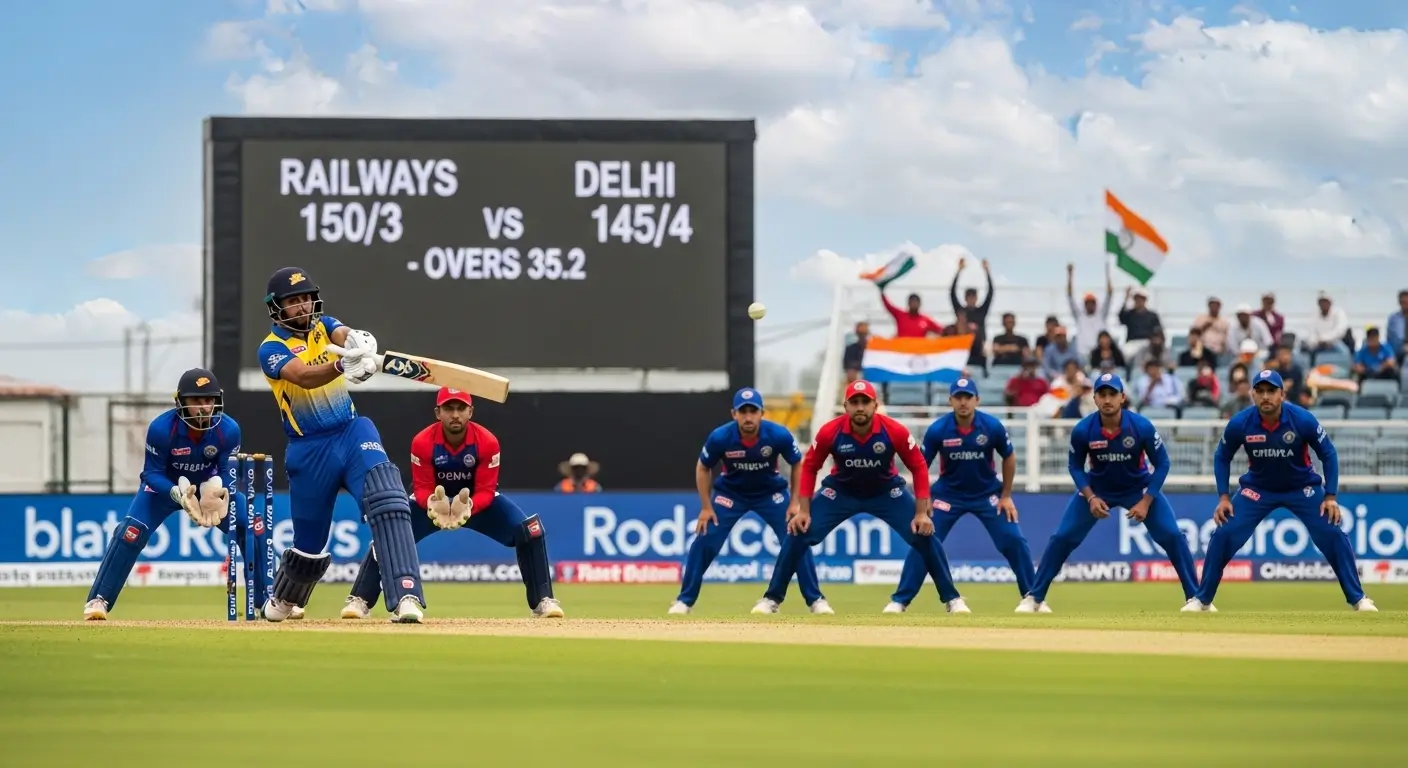
Domestic cricket in India forms the backbone of the nation’s cricketing success. While international matches grab headlines, it’s the grinding experience in domestic tournaments that shapes future stars. Among the most fascinating rivalries in Indian domestic cricket is the encounter between the The comparison between Railways cricket team vs Delhi cricket team players reveals fascinating contrasts in Indian domestic cricket. Delhi, with its rich tradition, star players, and superior. This matchup brings together contrasting philosophies, diverse talent pools, and rich cricketing traditions that have produced some of India’s finest cricketers.
Understanding Indian Domestic Cricket Structure
Before diving into the specifics of these two teams, it’s important to understand the landscape of Indian domestic cricket.
The Ranji Trophy
The Ranji Trophy represents India’s premier domestic first-class cricket competition. Established in 1934, this tournament has:
- Served as the primary pathway to the Indian national team selection
- Featured teams representing different states and organisations
- Produced legendary cricketers across generations
- Maintained intense competition spanning multiple formats
- Created regional pride and a passionate following
Other Domestic Competitions
Beyond the Ranji Trophy, teams compete in:
- Vijay Hazare Trophy (50-over format)
- Syed Mushtaq Ali Trophy (T20 format)
- Duleep Trophy (zonal competition)
- Irani Cup (Ranji champions vs Rest of India)
The Railways Cricket Team: A Unique Entity
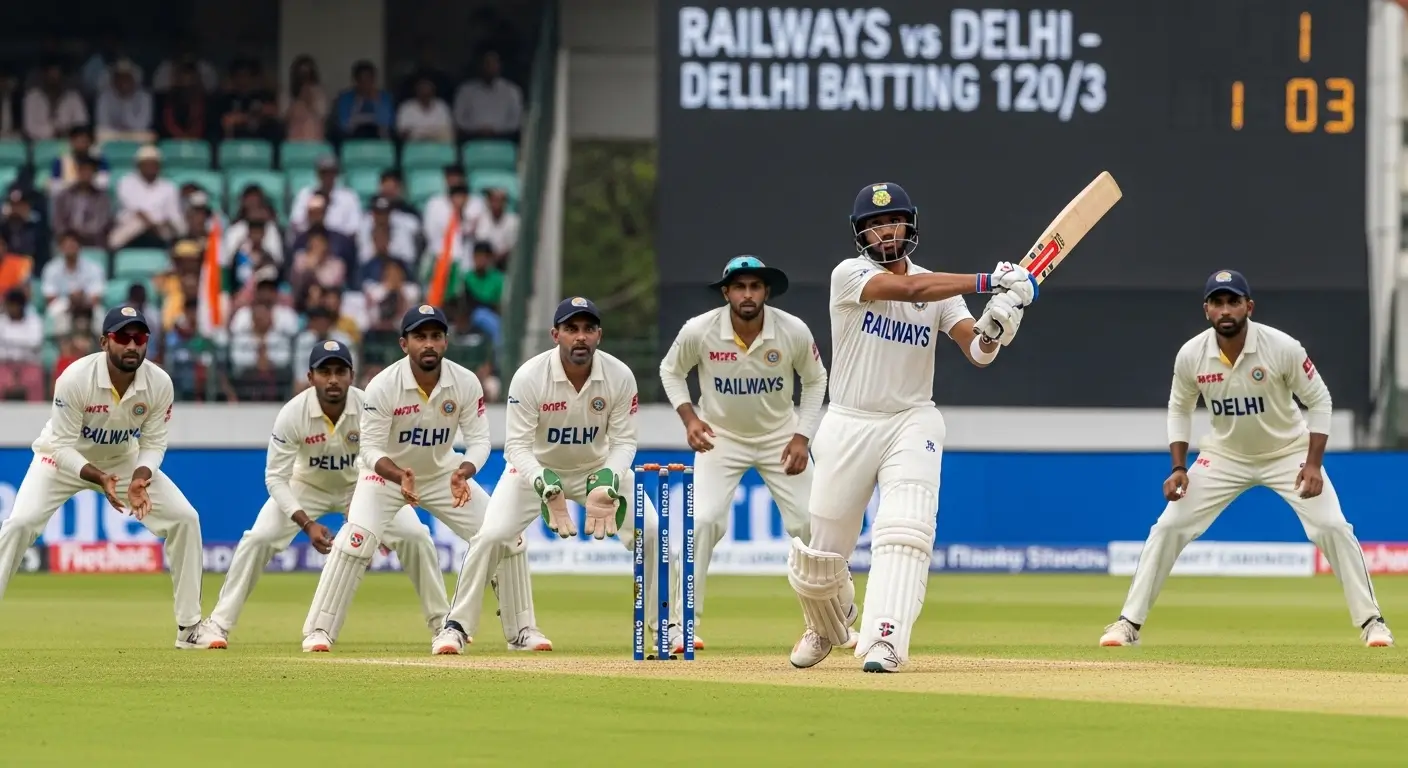
The Railways cricket team stands as one of the most distinctive outfits in Indian domestic cricket.
History and Background
Railways entered the Ranji Trophy in 1958, representing Indian Railways—one of the world’s largest employers. The team has:
- Competed consistently for over six decades
- Won the Ranji Trophy title once (2002-03)
- Reached multiple finals and semifinals
- Produced numerous international cricketers
- Maintained a reputation for disciplined cricket
What Makes Railways Different
Unlike state teams, Railways operates uniquely:
Employment-Based Selection
- Players must be railway employees
- Jobs provided through the sports quota
- Career security attracts talented cricketers
- Dual career opportunity (cricket and a railway job)
Diverse Geographic Representation
- Players from various states across India
- Not restricted by regional boundaries
- Creates unique team dynamics
- Blends different cricketing cultures
Organizational Support
- Backing of the massive Indian Railways organisation
- Decent infrastructure and facilities
- Regular tournaments and practice opportunities
- Financial stability for players
Playing Philosophy
The railway cricket team traditionally emphasises:
- Disciplined approach to batting and bowling
- Team unity despite diverse backgrounds
- Workmanlike cricket over flashy performances
- Fitness and professionalism reflecting railway culture
- Collective responsibility in match situations
The Delhi Cricket Team: Metropolitan Powerhouse
Delhi represents one of India’s strongest and most successful domestic cricket teams.
Rich Cricketing Heritage
Delhi boasts an impressive cricketing pedigree:
- Seven Ranji Trophy titles (most recently 2007-08)
- Numerous limited-overs domestic championships
- Consistent presence in the knockout stages
- Produced more Indian captains than most states
- Strong cricket infrastructure and culture
Talent Production Factory
Delhi’s contribution to Indian cricket is remarkable:
Legendary Players:
- Bishan Singh Bedi (legendary left-arm spinner)
- Mohinder Amarnath (World Cup hero)
- Virender Sehwag (explosive opener)
- Virat Kohli (modern-day great)
- Gautam Gambhir (World Cup-winning batsman)
- Rishabh Pant (current star)
- Ishant Sharma (experienced pacer)
Infrastructure Advantage
Delhi benefits from:
World-Class Facilities
- Arun Jaitley Stadium (formerly Feroz Shah Kotla)
- Multiple practice grounds across the city
- Indoor training facilities
- Access to quality coaching
Strong Domestic Structure
- Competitive club cricket scene
- Age-group tournaments developing talent
- Delhi & District Cricket Association’s programs
- Exposure to high-pressure matches
Metropolitan Benefits
- Large talent pool from the population base
- Economic opportunities supporting cricketers
- Media exposure and recognition
- Corporate sponsorship possibilities
Playing Style
Delhi cricket team typically features:
- Aggressive batting approach
- Quality pace bowling due to good pitches
- Competitive intensity in every match
- Individual brilliance backed by team efforts
- A professional mindset from a young age
Key Players: Railways Cricket Team vs Delhi Cricket Team Players
Understanding individual players provides insight into what makes these matchups compelling.
Railways Cricket Team – Notable Current and Recent Players
Karn Sharma
The leg-spinner and useful batsman brings:
- International experience with India
- Crucial wickets in the middle overs
- Lower-order batting capabilities
- IPL experience is enhancing his skills
- Leadership qualities
Mahesh Rawat
The wicketkeeper-batsman offers:
- Solid glovework behind stumps
- Consistent batting in the middle order
- Experience of over 100 first-class matches
- Understanding of the Railways’ team culture
- Reliable performer across formats
Arindam Ghosh
The left-handed batsman provides:
- Opening batting solidity
- Ability to build long innings
- Crucial partnerships at the top
- Growing experience
- Consistent run-scoring
Amit Mishra (in earlier years)
The decorated leg-spinner contributed:
- International-level bowling
- Match-winning performances
- Experience benefiting younger players
- Crucial wickets in pressure situations
- Professional approach to the game
Delhi Cricket Team – Star-Studded Lineup
Virat Kohli (when available)
The superstar batsman brings:
- World-class batting across formats
- Inspirational presence motivating teammates
- Occasional availability between international commitments
- Standards of fitness and professionalism
- Match-winning capabilities
Rishabh Pant (when available)
The explosive wicketkeeper-batsman offers:
- Game-changing batting abilities
- Aggressive approach transforming matches
- Quality wicketkeeping skills
- Youth and fearlessness
- International experience
Ishant Sharma (when available)
The experienced fast bowler provides:
- 100+ Test match experience
- Quality pace bowling
- Leadership in bowling attack
- Ability to exploit conditions
- Mentorship for young bowlers
Navdeep Saini
The fast bowler features:
- Genuine pace and bounce
- Ability to take early wickets
- Growing consistency
- IPL experience
- Improving skills constantly
Nitish Rana
The all-rounder contributes:
- Aggressive batting in the middle order
- Part-time spin bowling
- Fielding capabilities
- IPL success building confidence
- Match-winning potential
Dhruv Shorey
The consistent batsman brings:
- Solid technique
- Ability to build innings
- Top-order reliability
- First-class experience
- Temperament for long formats
Himmat Singh
The batting all-rounder offers:
- Middle-order stability
- Part-time bowling options
- Improving consistency
- Young talent for the future
- Fighting spirit
Batting Department Comparison
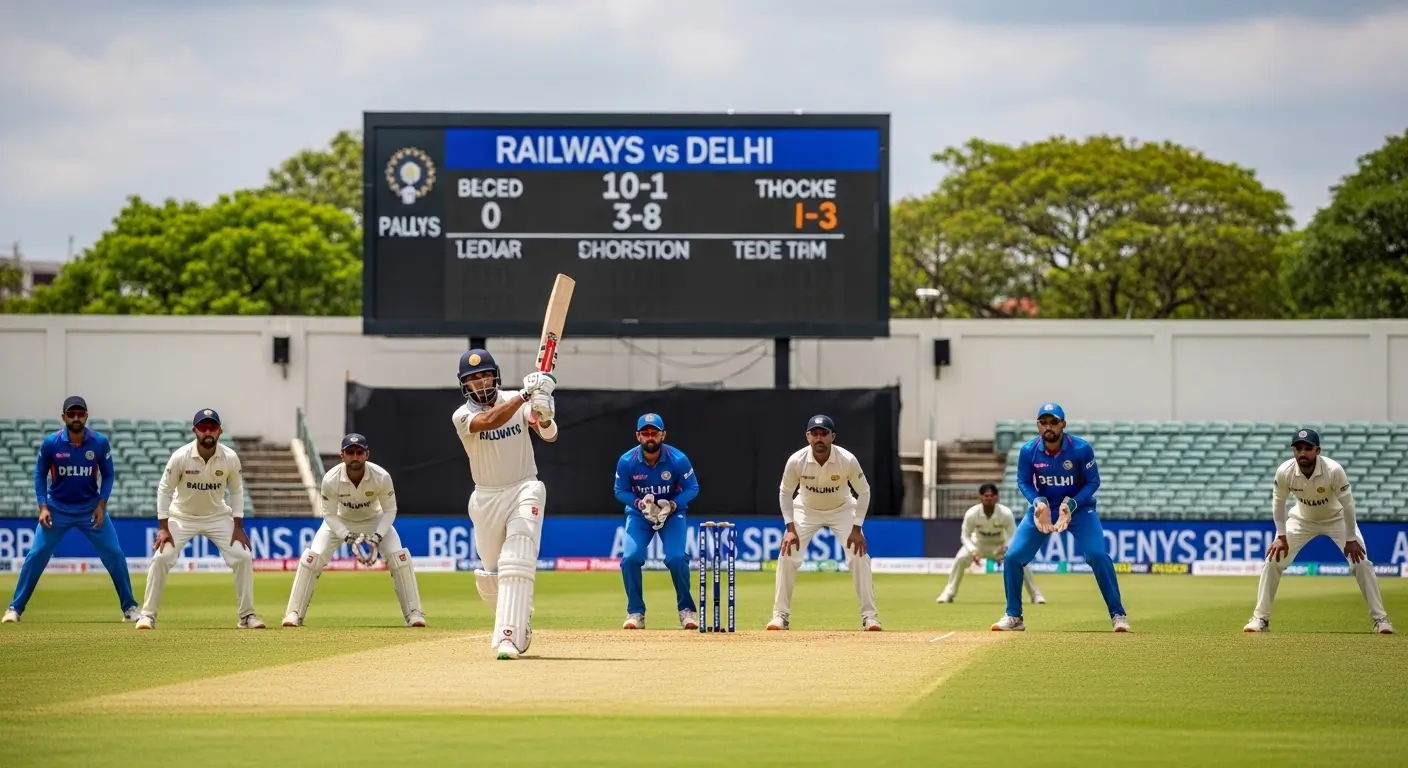
Examining the batting lineups reveals contrasting approaches in Railways cricket team vs Delhi cricket team players.
Railways Batting Strengths
Collective Approach
- Players focusing on partnerships
- Batting units rather than individual stars
- Rotating strike efficiently
- Building innings patiently
- Supporting each other through difficult periods
Technical Soundness
- Proper cricketing techniques
- Occupying the crease
- Playing according to situations
- Minimal reckless shots
- Building platforms for big totals
Experience and Composure
- Mature players handling pressure
- Understanding of first-class cricket demands
- Ability to grind out tough sessions
- Mental strength in long format
Delhi Batting Strengths
Individual Brilliance
- Match-winners throughout the lineup
- Ability to dominate bowling attacks
- Quick scoring rates
- Fearless approach
- Multiple players capable of big hundreds
Depth and Quality
- Batting down to number eight or nine
- Quality replacements when stars are away
- Young talent pushing for spots
- Competitive selection pressure
- All-rounders adding value
Aggressive Intent
- Positive approach to batting
- Setting up games with quick runs
- Putting pressure back on the opposition
- Confident shot selection
- Modern batting methods
Batting Comparison
When analysing the Railways cricket team vs Delhi cricket team players in batting:
Delhi holds clear advantages with:
- Higher individual quality throughout the lineup
- Greater depth and replacement options
- More explosive batting capabilities
- Better first-class averages generally
- International players adding class
Railways compete through:
- Team cohesion and partnerships
- Fighting spirit and determination
- Occasional individual brilliance
- Experience in pressure situations
- Effective role clarity
Bowling Department Analysis
Bowling often determines first-class cricket outcomes, making this comparison crucial.
Railways Bowling Attack
Spin-Oriented Approach
Railways typically field:
- Quality leg-spinners like Karn Sharma
- Accurate left-arm spinners
- All-rounders contributing with spin
- Control and patience in approach
- Understanding of different pitch conditions
Medium Pace Options
The supporting pace bowlers offer:
- Useful opening spells
- Maintaining pressure
- Reverse swing capabilities
- Variations and slower balls
- Economical bowling
Strengths:
- Experienced spinners winning matches
- Collective bowling effort
- Disciplined lines and lengths
- Patience in building pressure
- Adaptability to conditions
Delhi Bowling Arsenal
Pace-Heavy Attack
Delhi generally features:
- Genuine fast bowlers like Navdeep Saini
- Experienced campaigners, when available
- Young pacers with good pace
- Variety in bowling styles
- Aggression andan attacking mindset
Quality Spin Support
The spin department includes:
- Experienced spinners
- All-rounders bowling spin
- Variety with left-arm and off-spin options
- Wicket-taking capabilities
Strengths:
- Pace bowling quality matches any team
- Individual match-winners
- Aggressive attacking approach
- Depth in fast bowling reserves
- IPL experience enhances skills
Bowling Comparison
Evaluating Railways cricket team vs Delhi cricket team players in bowling:
Delhi’s Advantages:
- Superior pace bowling resources
- Individual quality throughout the attack
- Better pace and bounce generated
- More penetration on flat pitches
- Depth allowing rotation
Railways’ Strengths:
- Experienced spinners crucial on turners
- Collective bowling discipline
- Understanding team strategies
- Economical bowling building pressure
- Adaptability across formats
All-Rounders and Team Balance
All-rounders provide crucial flexibility in team composition.
Railways All-Rounders
Contributing Players:
- Karn Sharma with batting and leg-spin
- Medium-pacers who can bat
- Lower-order batsmen who bowl occasionally
- Focus on specialist roles mostly
Team Balance:
- Traditional structure with specialists
- Defined roles for each player
- Occasional all-round contributions
- Depth through lower-order batting
Delhi All-Rounders
Quality Options:
- Nitish Rana batting and bowling
- Lalit Yadav’s emerging all-round skills
- Experienced players with dual capabilities
- Young talents are developing both skills
Team Balance:
- Flexibility in team combinations
- Options for different conditions
- Depth throughout the batting order
- Bowling variety through all-rounders
All-Rounder Comparison
Delhi possesses better all-round options, providing greater team balance and tactical flexibility compared to Railways’ more traditional specialist approach.
Captaincy and Leadership
Leadership significantly impacts team performance in first-class cricket.
Railways Leadership Philosophy
Captain’s Role:
- Managing a diverse team from different regions
- Creating unity among varied backgrounds
- Tactical decisions in long-format cricket
- Motivating players with dual careers
- Building team culture
Successful Captains:
Railways have benefited from:
- Experienced leaders understand first-class cricket
- Player-captains leading by example
- Tactical awareness in different conditions
- Man-management skills
Delhi Leadership Tradition
Captain’s Responsibilities:
- Handling star players and egos
- Managing player availability issues
- Maintaining performance standards
- Continuing winning tradition
- Developing young talents
Notable Captains:
Delhi has produced:
- Multiple Indian captains
- Leaders with international experience
- Young captains learning the ropes
- Successful tacticians
Leadership Comparison
When comparing Railways cricket team vs Delhi cricket team players in leadership:
Delhi’s captains generally have:
- More international exposure
- Experience handling pressure situations
- Better understanding of modern tactics
- Greater resources at disposal
Railway captains excel in:
- Team unity creation
- Managing diverse backgrounds
- Resourcefulness with limited stars
- Building a fighting team culture
Head-to-Head Record
Understanding past encounters between Railways cricket team vs Delhi cricket team players provides valuable context.
Historical Meetings
Over decades of competition:
Ranji Trophy Matches:
- Delhi generally dominated
- Railways secured occasional memorable victories
- Close contests in certain seasons
- Pitch conditions influencing outcomes
Limited-Overs Encounters:
- More competitive in shorter formats
- Railways’ disciplined approach is effective
- Delhi’s firepower often prevails
- Upset victories by the Railways are memorable
Memorable Matches
Several encounters stand out:
Railways’ Famous Victories:
- Upsets when defeating the star-studded Delhi
- Championship season performances
- Individual brilliant performances
- Team efforts overcoming odds
Delhi’s Dominance:
- Comprehensive victories with stars performing
- Young talents announcing themselves
- Batting or bowling collapses by the Railways
- Clinical professional performances
Playing Conditions and Home Advantage
Where matches are played significantly affects Railways cricket team vs Delhi cricket team players performances.
Delhi Home Advantage
Arun Jaitley Stadium:
- Traditionally good batting pitch
- Assistance for pace bowlers early
- Spin is coming into play as the match progresses
- Familiarity benefits Delhi players
- Home crowd support
Delhi’s Strength at Home:
- Knowing pitch behaviour
- Comfort in home conditions
- Psychological advantage
- Better facilities access
Railways Playing Venues
Karnail Singh Stadium (Delhi):
Railways often play in Dthe elhi region:
- Shared city with the Delhi team
- Similar playing conditions
- Less home advantage compared to state teams
- Neutral venue feels sometimes
Various Venues:
As a pan-India team:
- Plays across different cities
- Adapts to varied conditions
- No traditional home ground advantage
- Experience in diverse environments
Development Pathways
How players reach these teams differs significantly.
Railways Recruitment
Selection Process:
- Scouting talented cricketers nationwide
- Offering railway employment
- Trials and performance-based selection
- Attracting players with job security
- Building a diverse team
Career Path:
- Perform well in state cricket
- Get noticed by the Railways scouts
- Secure railway employment
- Trial period and selection
- Represent Railways while employed
Delhi Talent Pipeline
Development System:
- Age-group cricket identifies young talents
- Club cricket providing competitive platform
- District selections leading to the state team
- Coaching at various levels
- Natural progression through categories
Career Path:
- Start in school/club cricket
- Perform in age-group tournaments
- Graduate to senior club cricket
- Selection trials for Delhi
- Debut in domestic competitions
Financial and Professional Aspects
The professional environment differs between these teams.
Railways Cricket Setup
Player Benefits:
- Permanent railway employment
- Salary is independent of cricket performance
- Job security after a cricket career
- Pension and retirement benefits
- Work-life balance possibility
Challenges:
- Dual responsibility (work and cricket)
- Less media attention than the states
- Smaller fan following
- Limited sponsorship opportunities
- Balancing professional duties
Delhi Cricket Environment
Player Opportunities:
- Higher visibility and media coverage
- Better sponsorship prospects
- IPL opportunities from exposure
- State association support
- Modern facilities access
Professional Aspects:
- Cricket as a full-time profession
- Performance pressure constantly
- Competition for places intense
- Rewards for success greater
- Career uncertainties without backup
Impact on Indian Cricket
Both teams have contributed significantly to Indian cricket’s development.
Railways’ Contribution
National Players Produced:
- Dodda Ganesh (pace bowler)
- Yere Goud (wicketkeeper-batsman)
- Amit Mishra (leg-spinner with 400+ international wickets)
- Several other players are getting opportunities
Broader Impact:
- Providing livelihood security for cricketers
- Pan-India representation in the team
- Alternative pathway to professional cricket
- Supporting cricketers from smaller states
Delhi’s Contribution
International Stars:
- Multiple captains of the Indian team
- Legendary players across generations
- Current Indian team members
- Consistent supply of talent
Systematic Development:
- Model for other states
- Youth development programs
- Infrastructure investment
- Professional environment creation
Strengths and Weaknesses
Every team has areas of excellence and aspects needing improvement.
Railways Strengths
- Team unity despite diverse backgrounds
- Job security reduces pressure on players
- Disciplined approach to cricket
- Fighting spirit as underdogs
- Experienced spinners winning matches
Railways Weaknesses
- Limited star power compared to the states
- Batting depth is sometimes insufficient
- Pace bowling is generally weaker
- Media visibility lower
- Attracting top talent and challenging state teams
Delhi Strengths
- Individual brilliance throughout the lineup
- Quality pace bowling consistently
- Infrastructure and facilities are top-notch
- The talent pipeline is constantly producing players
- Winning culture and tradition
Delhi Weaknesses
- Player availability when stars are on international duty
- Complacency sometimes, with a talented squad
- The pressure of expectations is heavy
- Over-reliance on a few stars occasionally
- Team balance when multiple players are away
Future Prospects
Both teams face different futures in Indian domestic cricket.
Railways’ Future Challenges
Sustainability Concerns:
- Attracting top talent against state teams
- Competing with better-funded organisations
- Maintaining relevance in modern cricket
- Infrastructure improvements needed
Opportunities:
- Continuing to provide an alternative pathway
- Developing players from smaller states
- Building a railway network across India
- Creating stronger talent identification
Delhi’s Continued Dominance
Maintaining Standards:
- Continuing talent production
- Infrastructure investment
- Modern training methods
- Professional environment
Challenges Ahead:
- Managing player workloads
- Keeping players motivated in domestic cricket
- Dealing with the franchise cricket impact
- Developing next-generation stars
What Makes These Encounters Special
When the Railways cricket team vs the Delhi cricket team players meet, several factors create interest:
David vs Goliath Narrative
Railways represent the hardworking underdogs challenging Delhi’s star-studded lineup, creating emotional investment beyond mere statistics.
Contrasting Philosophies
The matchup showcases different approaches—Railways’ collective effort versus Delhi’s individual brilliance, team unity against metropolitan resources.
Respect and Competition
Despite disparities, both teams respect each other’s cricketing abilities, creating competitive yet sporting encounters.
Talent Display
Matches provide platforms for:
- Young Delhi talents announcing themselves
- Railways players catching selectors’ eyes
- Experienced campaigners showcasing skills
- Tactical battles between captains
Conclusion
The comparison between Railways cricket team vs Delhi cricket team players reveals fascinating contrasts in Indian domestic cricket. Delhi, with its rich tradition, star players, superior infrastructure, and consistent success, clearly stands as one of India’s cricketing powerhouses. The team’s contribution to Indian cricket through legendary players and ongoing talent production remains unmatched.
Railways, however, represent something equally important—an alternative pathway for cricketers across India, job security supporting cricket careers, and proof that collective effort can challenge individual brilliance. While statistically Delhi dominates most encounters, Railways’ occasional victories and consistent competitiveness demonstrate that resources aren’t everything.
These matches matter beyond results. They showcase Indian cricket’s diversity—metropolitan privilege meeting pan-India representation, star power facing workmanlike dedication, established tradition encountering determined challengers. For aspiring cricketers, both teams offer lessons: Delhi shows what systematic development achieves, while Railways proves alternative pathways exist.
As Indian domestic cricket evolves with franchise leagues impacting player priorities, both teams face challenges. Delhi must maintain standards while managing player availability. Railways needs attracting talent despite competing against better-resourced state teams.